India's Evolving Approach to Gender Equality: From Policy to Practice
For years, India has meticulously crafted policies aimed at advancing gender equality. The intent behind these initiatives is unequivocal, and the language used is robust. However, a persistent chasm remains between the promises made on paper and the lived experiences on the ground. This gap underscores the challenges in translating ambitious goals into tangible realities for millions.
A Subtle Transformation in Strategy
What is gradually changing, albeit slowly and unevenly, is the fundamental approach to addressing gender issues. Rather than treating gender equality as an isolated concern, there is a growing momentum to embed it into the fabric of everyday systems. This integration spans critical areas such as how children are educated, how villages are administered, and how institutions respond to incidents of violence. This shift represents a move from compartmentalized efforts to holistic, systemic change.
High-Profile Advocacy and Grassroots Realities
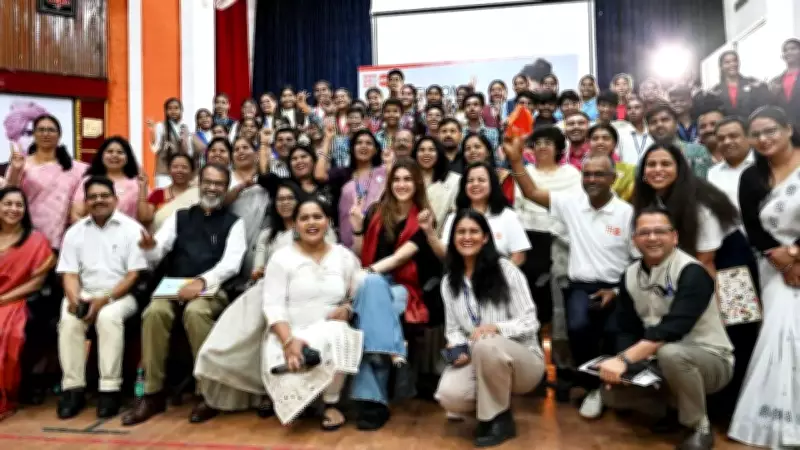
A recent field visit by actor and UNFPA India Honorary Ambassador Kriti Sanon brought attention to some of these ongoing efforts. While such high-profile visits generate valuable optics and media coverage, the more crucial inquiry is whether these embedded ideas can endure and flourish without continuous attention and amplification. Sustainability hinges on local ownership and consistent support beyond temporary spotlight.

Educational Reforms: Changing Conversations Early
In schools across India, dialogues are beginning to transform. Life-skills programmes are now introducing adolescents to topics that were previously deemed uncomfortable or unnecessary, including mental health, relationships, and the concept of consent. Significantly, some of these initiatives are actively involving boys in the conversation, challenging the outdated assumption that gender equality is solely a "women's issue." If this inclusive shift persists, it could yield profound long-term impacts by fostering empathy and shared responsibility from a young age.
Local Governance: Beyond Quota Fulfillment
At the local governance level, the presence of women is increasingly transcending mere quota fulfillment. In certain regions, female representatives are beginning to influence and shape community priorities, focusing on fundamental yet critical issues such as safety, sanitation, and equitable access to public resources. These changes, though modest, are tangible and represent real progress, often supported by organizations like the UN Population Fund (UNFPA).
Policing and Institutional Response Evolution
The role of the police, often the most visible state entity during crises, is also undergoing evolution. Efforts to make responses to gender-based violence more accessible and less intimidating are still in development. Building trust with communities cannot be achieved overnight, but acknowledging the necessity for a more community-driven and sensitive approach marks a positive beginning. This involves training, procedural reforms, and fostering closer ties with local populations.
The Complex Reality of Implementation
None of these developments suggest a sweeping or instantaneous transformation. The reality is far more intricate. Deeply entrenched social norms continue to pose significant barriers, and implementation of gender-sensitive policies often remains inconsistent across different regions. Progress is heavily dependent on factors such as local leadership, adequate resources, and, at times, sheer persistence and resilience from advocates and communities.
The Significance of Quiet, Incremental Change
There is substantial value in this quieter, less visible shift. Gender equality is no longer discussed exclusively in terms of policy targets or large-scale national campaigns. It is beginning, however tentatively, to manifest in everyday interactions and decisions—from classroom discussions to village council meetings. This may not generate dramatic headlines, but it is often through such incremental, grassroots integration that genuine, sustainable change tends to occur, building a foundation for long-term societal transformation.