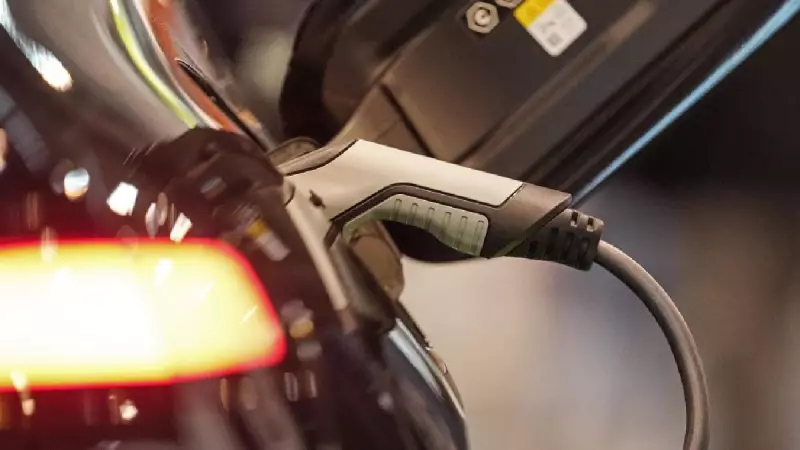
In a significant move to accelerate its electric vehicle (EV) transition, the Delhi government unveiled the much-anticipated Electric Vehicle Policy 2.0 on December 31, 2025. This updated policy framework builds upon the success of its predecessor with a sharpened focus on three critical pillars: expanding charging infrastructure, promoting the retrofitting of existing vehicles, and fostering advanced research and development.
Core Pillars of the New EV Policy
The Delhi EV Policy 2.0 is not merely an extension but a strategic evolution. Its primary objective is to address the practical hurdles that have slowed widespread EV adoption. The government has identified that the availability of convenient and reliable charging points remains a top concern for potential buyers. Consequently, a major thrust of the new policy is to create a dense and accessible network of charging stations across the national capital, targeting residential areas, commercial hubs, and public parking zones.
Another innovative aspect of the policy is its emphasis on vehicle retrofitting. This initiative aims to provide an economical pathway for existing petrol and diesel vehicle owners to convert their vehicles to electric powertrains. By supporting certified retrofitting centers and offering potential financial incentives, the policy seeks to bring a large segment of the existing vehicle fleet into the electric fold without necessitating the purchase of a brand-new EV.

Boosting Innovation and Local Solutions
The third pillar underscores the government's commitment to long-term sustainability and technological leadership. The policy earmarks resources and creates frameworks to encourage research and development within the EV sector. This includes collaborations with academic institutions and industry players to innovate in areas like battery technology, energy management, and affordable mobility solutions tailored for Delhi's unique urban environment.
Officials believe that by simultaneously tackling the infrastructure gap, offering a cost-effective conversion option, and investing in homegrown innovation, the policy can create a holistic ecosystem for electric mobility. The announcement on the last day of 2025 sets a clear agenda for the coming years, signaling Delhi's serious intent to combat air pollution and reduce its carbon footprint from the transport sector.
Expected Impact and Future Roadmap
The rollout of Delhi EV Policy 2.0 is expected to have a multi-faceted impact. A robust charging network will directly alleviate range anxiety, a significant psychological barrier for consumers. The retrofitting program could democratize EV access, making it a viable option for a broader economic spectrum. Furthermore, focused R&D is likely to attract investments and create high-skilled jobs in the green technology sector.
While the broad outlines were announced on December 31, 2025, the detailed implementation guidelines, including exact subsidy structures for retrofitting and specifications for charging infrastructure deployment, are awaited. The success of this policy will hinge on effective execution and seamless collaboration between the government, private enterprises, and the citizens of Delhi. This policy refresh demonstrates a proactive approach to overcoming the next set of challenges in the city's journey towards becoming a model for electric mobility in India.