Delhi Gurdwara Management Committee Appeals to Government for Reliable LPG Supply to Langar Kitchens
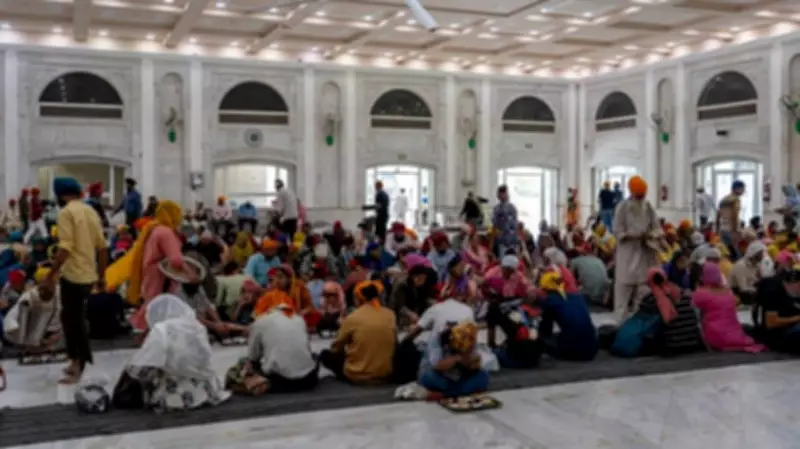
The Delhi Sikh Gurdwara Management Committee (DSGMC) has taken a proactive step by writing to the government, urging measures to guarantee a steady and uninterrupted supply of Liquefied Petroleum Gas (LPG) for the operation of langar kitchens across the capital. This move underscores the critical role these community kitchens play in serving free meals to thousands daily, regardless of faith or background.
Infrastructure Disparity Between Large and Small Gurdwaras
According to a DSGMC office-bearer, while larger gurdwaras in Delhi benefit from piped natural gas connections, many smaller establishments remain heavily dependent on LPG cylinders to fuel their langar operations. This dependency creates a vulnerability, as any disruption in cylinder supply could directly impact the ability to prepare and serve food, potentially leaving many without this essential service.
The committee's appeal highlights a significant infrastructure gap that needs addressing to ensure the seamless functioning of these charitable kitchens. The langar tradition, a cornerstone of Sikhism, emphasizes equality and community service, making reliable resources paramount.

Government Intervention Sought for Consistent Supply Chain
The formal request to the government seeks assurances and possibly logistical support to maintain a consistent LPG supply chain specifically for these religious and community institutions. This is not merely about convenience but about upholding a vital social service that feeds the needy and fosters community bonds.
Ensuring that smaller gurdwaras have access to a steady supply of LPG is crucial for the continuity of langar services, especially in times of high demand or supply chain constraints. The DSGMC's initiative reflects a broader concern for operational sustainability and the welfare of those who depend on these kitchens.
This development comes amid ongoing efforts to support community services and infrastructure in urban areas, highlighting the intersection of religious practice, social welfare, and practical governance.