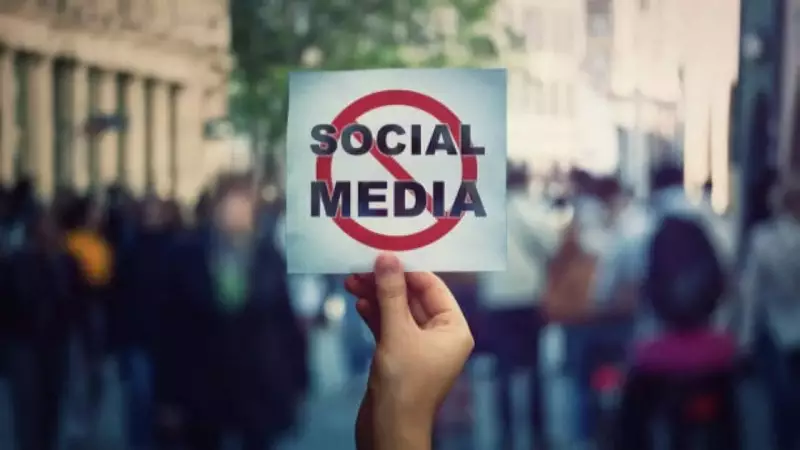
In a significant global shift, nations worldwide are enacting stringent laws to control or outright ban social media access for children and teenagers. Driven by escalating concerns over mental well-being, screen addiction, and online safety, these measures mark a pivotal moment in how societies regulate the digital lives of their youngest citizens. The debate now centres not on whether to protect children online, but on how best to do it, pitting digital freedoms against the perceived need for robust safeguards.
Global Crackdown: How Nations Are Implementing Bans
Countries are adopting varied approaches, from complete prohibitions to strict parental consent models. The common thread is a growing consensus that algorithm-driven platforms pose unique risks to developing minds, affecting concentration, emotional health, and real-world social skills. Governments are increasingly placing the onus on technology companies to enforce these rules, sparking intense discussions about responsibility shared between platforms, parents, and the state.
China's Youth Modes and Strict Time Limits
China enforces some of the world's strictest digital controls for minors. The regulations mandate that all social media platforms provide a "youth mode," which heavily restricts content, caps daily screen time, and limits operating hours for users under 18. Features like direct messaging and live streaming are often inaccessible to younger teens. Chinese authorities frame these policies as essential shields against online addiction, a response to the dramatic surge in children's internet consumption over the past decade.

Europe's Push for Parental Control and Age Verification
In Europe, legislative action is gaining momentum. France has made it illegal for children under 15 to join social media without explicit, verifiable parental consent. The law holds platforms directly accountable for verifying user ages, shifting a significant burden away from families. French lawmakers argue that young adolescents lack the maturity to navigate online pressures, cyberbullying, and harmful content independently.
Similarly, Italy has reinforced its rules, legally barring children under 14 from social media without parental approval. The country strengthened its age-verification protocols following tragic incidents linked to online content, demonstrating how real-world consequences can accelerate policy aimed at prioritising safety over unrestricted access.
Proposals and Curfews: From Australia to South Korea
Other regions are exploring different models. Australia is actively debating legislation to set a minimum age of 16 for social media use. While not an outright ban yet, the proposed law would compel tech companies to block underage users, citing rising rates of anxiety, low self-esteem, and cyberbullying among teens as key motivations.
South Korea has long been a pioneer with its focus on time-based digital curfews. Although some rules have evolved, the country has historically restricted minors' access to online games and certain platforms during late-night hours. This approach underscores concerns about addiction and disrupted sleep, aiming to balance digital life with education, rest, and offline activities.
The Extreme Case: North Korea's Total Information Control
Standing apart from all others is North Korea, where access to global social media platforms is almost entirely forbidden for all citizens, not just children. The national internet is a tightly controlled intranet with only government-approved content. For North Korean youth, using platforms like Instagram, TikTok, or YouTube is impossible. The regime justifies this total ban as necessary to control information flow, protect state ideology, and prevent foreign influence from shaping young minds.
The Broader Impact and Ongoing Debate
This wave of prohibitions is influencing a critical global conversation. Advocates insist that such measures are vital to prevent long-term psychological harm, arguing that the digital environment is inherently designed for maximum engagement, often at the expense of young users' well-being. Critics, however, raise valid concerns about freedom of expression, privacy, and the practical challenges of enforcement.

As more countries consider similar regulations, one fact is clear: the world is fundamentally re-evaluating children's relationship with social media. The experiment in digital child protection is now underway, and its outcomes will likely shape online experiences for generations to come.