In a telling shift, political leaders across the globe, from Washington to Patna, are increasingly choosing direct cash support to households over long-term investments in public infrastructure. This trend, driven by electoral compulsions, is creating a dangerous fiscal trade-off that leaves everyone poorer in the long run.
The US Tariff Retreat: A Political Concession
Effective 13 November 2025, US President Donald Trump removed steep tariffs on 225 agricultural items, including key Indian exports like mangoes, coconuts, and processed tea. For India, duties on these products plummeted from a high of 50% to zero. This move, impacting Indian agricultural exports previously valued at around $1 billion annually, was not a product of trade diplomacy.
Instead, it was a direct response to domestic political pressure. Recent mayoral and gubernatorial elections in the US saw affordability emerge as a defining issue, highlighted by Zohran Mamdani's successful campaign for New York City Mayor. Facing voter anger over tariff-inflated prices, the administration backtracked.

In a revealing comment a day after the rollback, President Trump indicated the retained tariff revenue would still fund a promised $2,000 cash payment to low-income American households next year. This underscores the primary political motivator: immediate cash relief trumps other fiscal goals.
The High Cost of Neglecting Public Goods
The consequence of this myopic focus was starkly illustrated just days before the tariff announcement. The longest-ever 43-day shutdown of the US federal government ended abruptly, but not because its core issue—affordable healthcare subsidies—was resolved.
It ended because air travel began to collapse due to absent air-traffic controllers, federal workers who weren't being paid. The shutdown spotlighted a classic public good—airspace safety—which is non-negotiable and must be publicly provided. The crisis forced politicians to prioritise this essential service over other disputes, albeit with only an interim agreement until January 2026.
The Indian Parallel: Cash Over Clean Air and Roads
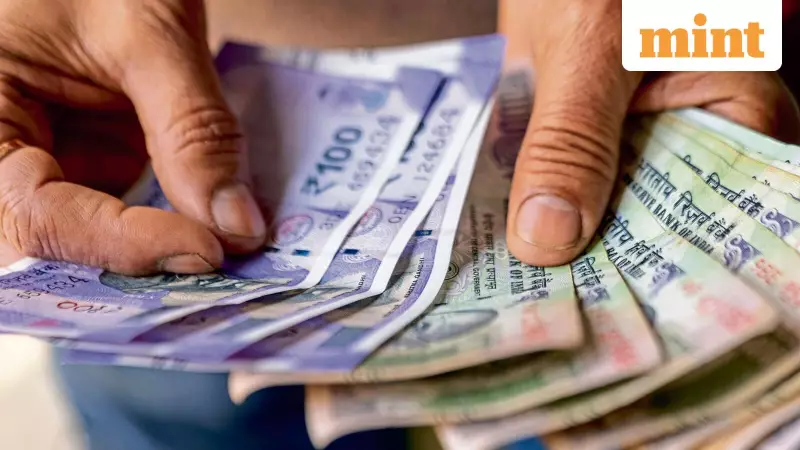
This political calculus is mirrored in India. The recent Bihar state elections are a prime example. Analysts believe the winning edge for the incumbent coalition came from a massive cash transfer promise: ₹10,000 each to 10 million women, with further promises for self-employment projects.
This is a staggering commitment for a fiscally strained state. According to a PRS report, Bihar has now joined 12 other Indian states in making such transfers, at an aggregate cost of 0.5% of GDP. Meanwhile, chronic issues like north India's catastrophic November air pollution, which demands sustained public investment and regulation, fail to generate equivalent electoral urgency.
While Bihar's long-standing leadership enjoys trust for past work on public goods like law and order and roads, these are now taken for granted. The electorate perceives them as "wired in," not as services requiring continuous funding for maintenance and upgrades.
The result is a vicious cycle: unfilled police posts erode safety, poorly maintained roads increase fatalities, and understaffed pollution boards fail to check environmental degradation. The disease burden rises without a commensurate expansion in public health facilities.
The critical fiscal trade-off between disposable cash today and durable public goods tomorrow remains absent from mainstream electoral discourse. Until voters and their representatives consciously debate this choice, the collective loss in quality of life and well-being will continue, proving that in the battle between affordability and public goods, short-term politics ensures everyone ultimately loses.