

Force Majeure: The Legal Clause Shaking Global Energy Markets Amid Middle East Conflict
As military tensions escalate between Iran, the United States, and Israel, a specialized legal term typically confined to corporate contracts has surged into international headlines: force majeure. This development comes as multiple Gulf energy producers, including Qatar, Bahrain, and Kuwait, have officially invoked this clause to suspend oil and gas exports following attacks, shipping disruptions, and infrastructure threats caused by the ongoing regional war.
Understanding Force Majeure: The "Superior Force" Clause
Force majeure is a contractual provision derived from French law that translates literally to "superior force." It enables companies or governments to legally suspend or cancel contractual obligations when extraordinary, uncontrollable events make fulfillment impossible. These events typically include wars, natural disasters, government interventions, or major infrastructure damage.
In practical terms, when force majeure is invoked in the energy sector, producers can temporarily halt shipments of oil, gas, or other commodities without facing penalties for contract breaches. This legal mechanism becomes crucial during conflicts where attacks, logistical breakdowns, or security risks render exports unsafe or unfeasible.

Why Gulf Nations Are Invoking Force Majeure Now
The recent declarations directly correlate with the regional conflict that erupted following US-Israeli strikes on Iran on February 28, 2026. Since that escalation, the warfare has spread across the Gulf region, featuring missile strikes, drone attacks, and naval confrontations that have jeopardized energy infrastructure and critical shipping routes.
Several Gulf producers have activated force majeure provisions due to three primary factors:
- Significant disruptions to shipping routes through the strategically vital Strait of Hormuz
- Direct targeting of energy facilities and infrastructure
- Unpredictable security risks that make consistent exports unreliable
The Strait of Hormuz represents an especially critical vulnerability, as approximately 20% of global oil and liquefied natural gas shipments transit through this narrow waterway. Any sustained disruption here inevitably triggers worldwide economic concerns.
Major Force Majeure Declarations and Their Global Impact
Qatar's Natural Gas Shutdown: One of the most significant shocks to global markets occurred when Qatar, the world's second-largest exporter of liquefied natural gas, halted production and declared force majeure on buyer contracts following attacks on its energy infrastructure. This disruption created immediate ripple effects across international energy markets, with several companies that purchase Qatari gas subsequently declaring force majeure on their own customer deliveries. This cascading effect demonstrates how rapidly supply disruptions can propagate through interconnected global energy networks.
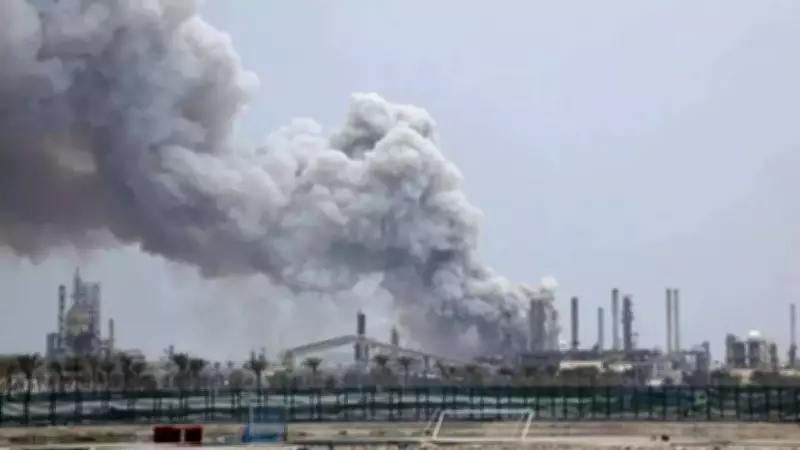
Bahrain's Refinery Attack: The crisis intensified when Bahrain's state oil company invoked force majeure after an Iranian strike damaged its primary refinery complex. This attack disrupted oil operations and made it impossible for the company to meet export commitments. Energy analysts emphasize that such incidents reveal the extreme vulnerability of Gulf energy infrastructure during regional conflicts. Given that the Gulf supplies a substantial portion of global oil, even temporary disruptions can send powerful shockwaves through international markets.
The Domino Effect on Global Energy Markets
Force majeure declarations typically initiate a domino effect across supply chains. When producers suspend shipments, buyers urgently seek alternative suppliers, shipping schedules collapse, and prices spike due to heightened uncertainty.
During the current crisis, oil prices surged beyond $100 per barrel amid fears of supply shortages and Gulf instability. Energy companies worldwide are now reassessing contracts, stockpiles, and shipping routes, with some nations preparing emergency reserves in anticipation of continued disruptions.

The Strategic Importance of the Strait of Hormuz
The current crisis underscores the critical role of the Strait of Hormuz, one of the planet's most crucial maritime chokepoints. This narrow waterway connects the Persian Gulf with the Arabian Sea and serves as the primary transit route for oil and gas tankers from multiple nations including Saudi Arabia, Qatar, Kuwait, the United Arab Emirates, and Iraq.
Since such a substantial percentage of global energy flows through this corridor, any threat to its security generates immediate worldwide consequences. In the present conflict, attacks and security threats around the strait have compelled companies to reconsider shipping routes and export schedules, further complicating global energy logistics.
Potential Escalation and Future Implications
Energy experts warn that further escalation could prompt additional producers to suspend exports. Qatari officials have already cautioned that prolonged disruptions might push other Gulf energy producers to declare force majeure as well.
Should this scenario materialize, the world could confront a significant supply shock in both oil and natural gas. Such developments would likely drive fuel prices higher, increase inflationary pressures in importing nations, and amplify global economic uncertainty.
Why This Obscure Legal Term Suddenly Matters Globally
Although force majeure traditionally remains buried deep within contractual documents, the current conflict has transformed it into a pivotal factor shaping global energy markets. When nations invoke this clause, they essentially acknowledge that warfare or extraordinary events have rendered normal trade operations impossible.
For consumers worldwide, the impact may eventually manifest as higher fuel prices, increased electricity costs, and potential supply shortages in energy-dependent industries. The sudden proliferation of force majeure declarations across the Gulf highlights how rapidly geopolitical crises can disrupt the global economy.
What originated as a regional conflict has now begun affecting energy supply chains, commodity markets, and international trade dynamics. Whether the situation stabilizes or expands further will determine how long this once-esoteric legal term continues dominating global headlines and influencing economic outcomes across continents.





