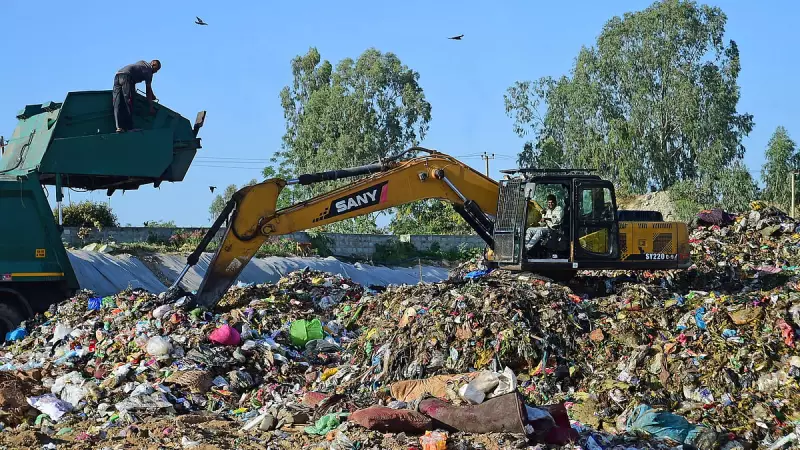
In a significant move to enhance waste management infrastructure, Bengaluru Solid Waste Management Limited (BSWML) has unveiled ambitious plans to expand its network of waste collection points across the city. The organization is set to establish 60 additional Kasa Kiosks that will operate round-the-clock, providing residents with convenient access to proper waste disposal facilities.
Expanding the Waste Management Network
The decision to expand the Kasa Kiosk network comes as part of BSWML's ongoing efforts to revolutionize waste collection in India's technology capital. According to BSWML Managing Director Harish Kumar, these new facilities will significantly improve the dry waste collection system that has been operational since January 2023.
Currently, Bengaluru operates 25 Kasa Kiosks that have been serving various neighborhoods across the city. The planned expansion to add 60 more units represents a substantial increase in the city's waste management capacity. These kiosks function as centralized collection points where residents can deposit their segregated dry waste at any time of day or night.

How Kasa Kiosks Transform Waste Collection
The Kasa Kiosk initiative represents a modern approach to urban waste management. Each kiosk serves as a 24x7 operational center for dry waste collection, eliminating the time constraints that often prevent proper waste disposal. Residents can visit these facilities according to their convenience, making the process of responsible waste management more accessible to everyone.
These kiosks accept various categories of dry waste including paper, plastic, metal, and glass. The collected materials are then processed through proper recycling channels, contributing to environmental sustainability and reducing the burden on landfills. The system also helps in promoting waste segregation at source, which is crucial for effective waste management.
Broader Impact on Bengaluru's Environment
The expansion of Kasa Kiosks aligns with Bengaluru's larger goals of improving urban cleanliness and promoting sustainable practices. With 85 Kasa Kiosks expected to be operational once the expansion is complete, the city will have a much more comprehensive network for dry waste collection.
This initiative not only addresses the practical aspects of waste collection but also contributes to changing public behavior regarding waste disposal. By providing accessible and convenient options, BSWML aims to encourage more residents to participate in proper waste segregation and disposal practices. The round-the-clock operation ensures that even those with unconventional working hours can contribute to the city's cleanliness drive.
The success of this expansion could serve as a model for other Indian cities grappling with similar urban waste management challenges. As Bengaluru continues to grow and evolve, such infrastructure developments become increasingly crucial for maintaining environmental health and urban livability.