Understanding the Two-Year Cycle of Rajya Sabha Elections
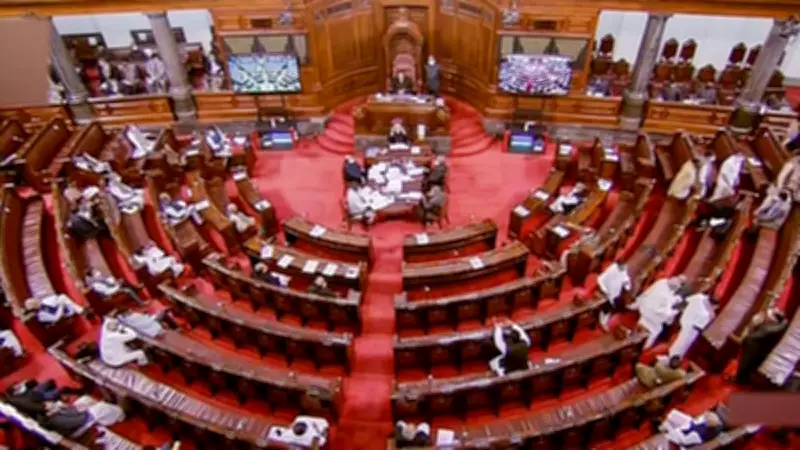
In India's parliamentary system, the Rajya Sabha, or Council of States, operates on a distinctive electoral schedule that sees elections conducted every two years. This system is not arbitrary but is deeply rooted in the constitutional framework designed to maintain a balance of power and ensure legislative continuity.
The Constitutional Basis for Staggered Elections
The Rajya Sabha is composed of 245 members, with 233 elected by the legislative assemblies of states and union territories, and 12 nominated by the President of India for their expertise in various fields. Unlike the Lok Sabha, where all members are elected simultaneously for a five-year term, Rajya Sabha members serve six-year terms. However, the elections are staggered, meaning that one-third of the members retire every two years, necessitating fresh elections to fill those vacancies.
This staggered system was established under Article 80 of the Indian Constitution. It ensures that the Rajya Sabha is a permanent body, as it is never dissolved entirely. This continuity is crucial for the stability of the legislative process, allowing the upper house to function without interruption, even during general elections for the Lok Sabha.

Why Every Two Years? The Rationale Behind the Schedule
The decision to hold Rajya Sabha elections every two years serves multiple purposes. First, it prevents a complete overhaul of the house at any single point, which could lead to political instability or abrupt shifts in policy direction. By having only one-third of members up for election at a time, the Rajya Sabha retains institutional memory and expertise, facilitating smoother legislative work.
Second, this system aligns with the federal structure of India. Since Rajya Sabha members are elected by state legislatures, the staggered elections reflect changes in state political landscapes over time, ensuring that the upper house remains representative of evolving regional interests. This gradual turnover allows for a more nuanced representation compared to a one-time election.
Moreover, the two-year cycle helps in maintaining a check and balance between the two houses of Parliament. With members entering at different times, the Rajya Sabha can provide a sober second thought on legislation passed by the Lok Sabha, without being swayed by short-term political trends.
The Electoral Process and Its Implications
Rajya Sabha elections are indirect, conducted through a system of proportional representation by means of the single transferable vote. This method ensures that minority parties and independent candidates have a fair chance of representation, promoting diversity in the upper house. The elections every two years involve complex political calculations, as parties strategize to maximize their seats based on their strength in state assemblies.
This periodic renewal also impacts national politics. It allows parties to reassess their alliances and strategies, influencing broader political dynamics. For instance, a strong performance in Rajya Sabha elections can bolster a party's influence in passing key bills, especially those related to constitutional amendments or central subjects.
In summary, the Rajya Sabha's election cycle every two years is a deliberate constitutional design aimed at ensuring legislative stability, federal representation, and effective governance. It underscores the importance of continuity in India's democratic framework, balancing change with consistency in the parliamentary process.