

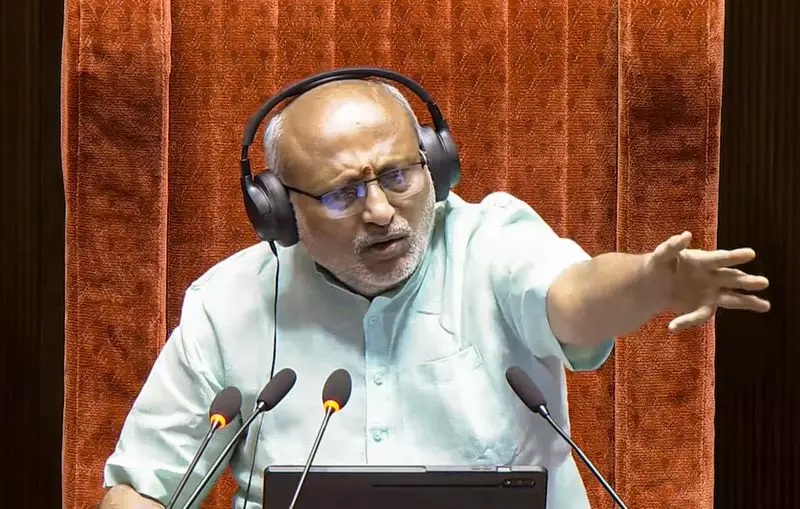
In a decisive move that has set the tone for the ongoing Parliament session, Rajya Sabha Chairman Jagdeep Dhankhar has drawn a firm line regarding the frequent invocation of Rule 267 by opposition members. The rule, which allows for the suspension of scheduled business to discuss a matter of urgent public importance, has been at the center of repeated disruptions.
The Chairman's Unwavering Stance
Chairman Dhankhar made his position explicitly clear, rejecting a series of notices submitted under Rule 267 by various opposition leaders. He emphasized that the rule cannot be used as a routine tool to halt the legislative agenda of the House. The Chairman pointed out that he had received a staggering 57 separate notices under this rule on a single day, highlighting what he implied was an attempt to derail proceedings rather than engage in constructive debate.
His approach underscores a commitment to ensuring that the Rajya Sabha functions according to its planned schedule, allowing for the discussion of government business and legislative matters that are already listed. This hardline interpretation signals a significant shift in how presiding officers are handling demands for immediate discussion on issues raised by the opposition.

Opposition's Strategy and Reaction
The opposition, led by figures from the Congress and other parties, has been persistently using Rule 267 to force discussions on a range of contentious issues. These have included matters related to price rise, the Agnipath military recruitment scheme, and other topics of national concern. Their strategy has been to apply continuous pressure by seeking adjournment of the day's business to prioritize their chosen subjects.
However, Chairman Dhankhar's consistent refusal to admit these notices has left this strategy in tatters. The opposition has expressed frustration, arguing that the Chair is stifling democratic discussion and preventing the raising of urgent public issues. They contend that the government, through the Chair, is avoiding accountability on sensitive matters by not allowing them to be debated under a rule specifically designed for urgency.
Broader Implications for Parliamentary Conduct
This development is more than a procedural skirmish; it has profound implications for the functioning of India's upper house. By taking a restrictive view of Rule 267, the Chairman is effectively channeling all discussions through other, more structured parliamentary instruments like short duration discussions or debates under other rules that do not require suspending the listed agenda.
The episode highlights the ongoing tension between the government's legislative priorities and the opposition's role in holding the executive accountable. It also raises questions about the balance between maintaining order and productivity in the House versus allowing flexibility for discussing emergent issues. Political analysts suggest that this could lead to a new normal in Rajya Sabha proceedings, where the threshold for admitting adjournment motions is set exceptionally high, potentially changing the dynamics of parliamentary confrontation.
As the session progresses, all eyes will be on whether the opposition devises a new tactic to counter this procedural roadblock or if the Chairman's firm stance leads to a more predictable, albeit potentially less spontaneous, flow of business in the chamber. The precedent set now will likely influence parliamentary strategy for sessions to come.






