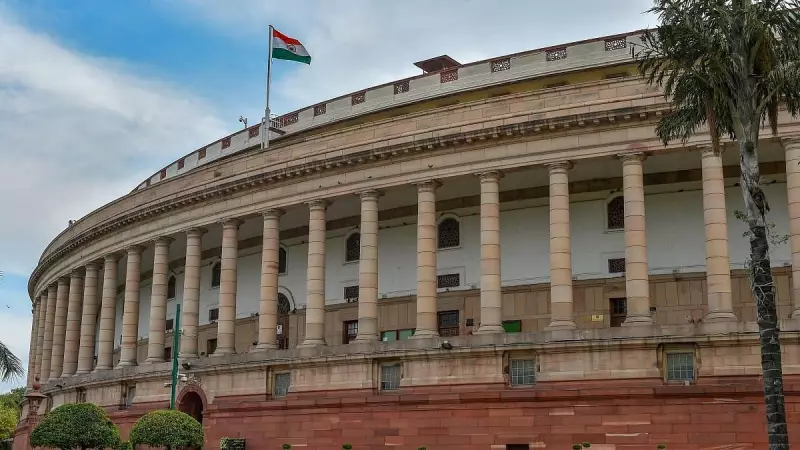
A crucial parliamentary committee examining significant legislative proposals has decided to extend a fresh invitation to Opposition parties that had previously chosen to boycott its proceedings. The panel is tasked with scrutinising bills related to the process of removing a Prime Minister or Chief Ministers from office.
Panel Composition and the Opposition Absence
The 31-member committee is heavily dominated by members from the Bharatiya Janata Party (BJP) and its alliance partners. This has led to a notable lack of representation from major national Opposition parties, who opted out of the discussions. As a result, the only opposition voices currently present in the committee are from four specific parties.
These members are Supriya Sule of the NCP-SP, Harsimrat Kaur Badal of the Shiromani Akali Dal, Asaduddin Owaisi of the AIMIM, and S Niranjan Reddy of the YSR Congress Party (YSRCP). Their presence, while important, underscores the broader boycott by other significant opposition groups.

Reaching Out to the Boycotting Parties
In a move aimed at fostering broader parliamentary consensus and inclusivity, the panel has now resolved to formally reach out to the parties that are absent. The decision to invite them again highlights the committee's intent to incorporate diverse viewpoints on the highly consequential legislation it is examining.
The bills under consideration pertain to the legal and procedural frameworks governing the removal of high constitutional authorities like the Prime Minister and Chief Ministers. The details and potential amendments proposed in these bills are yet to be made fully public, making the committee's deliberations particularly significant.
Implications for Parliamentary Scrutiny
This development, reported on December 4, 2025, places a spotlight on the dynamics of parliamentary democracy in India. The initial boycott by several opposition parties reflected their concerns about the composition and direction of the panel. The committee's decision to re-invite them suggests an attempt to bridge that gap and ensure the legislative process is perceived as more collaborative.
The outcome of this outreach could have substantial implications. If the boycotting parties choose to engage, it could lead to more rigorous debate and potential modifications to the proposed bills. If they maintain their boycott, the committee may proceed with its recommendations based on the input from its current members, which could fuel further political contention.
All eyes are now on the response from the major Opposition parties. Their decision will shape not only the future of these specific bills but also set a precedent for how critical legislative business is conducted in a polarised political environment.