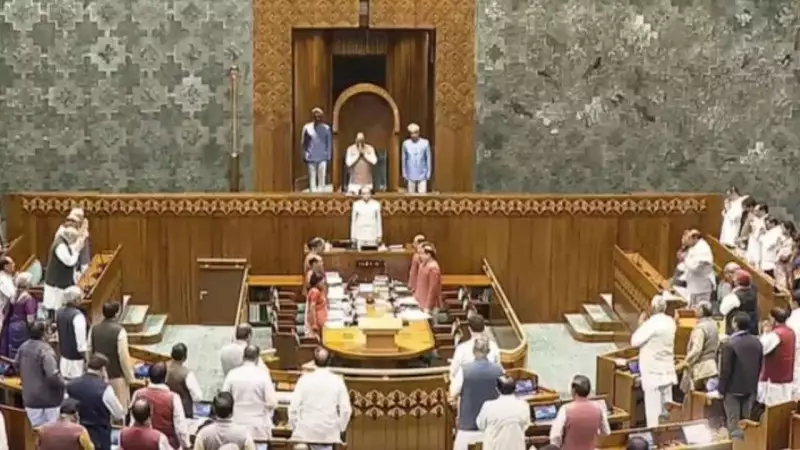
The opposition launched sharp criticism against the government on Saturday following the announcement of the winter session of parliament, highlighting that the average number of parliamentary sittings has plummeted to a record low of just 17 days.
Session Dates and Government Stance
Parliamentary Affairs Minister Kiren Rijiju confirmed earlier in the day that the winter session will be conducted from December 1 to December 19, adding that President Droupadi Murmu had formally approved the proposal. Rijiju expressed the government's anticipation for a constructive and meaningful session that would strengthen democratic processes and address the aspirations of the Indian people.
However, opposition leaders strongly contested this position, alleging that the current administration is systematically reducing parliament's functioning time and deliberately avoiding debates on crucial national matters that demand legislative attention.

Opposition's 'Parliament-ophobia' Allegations
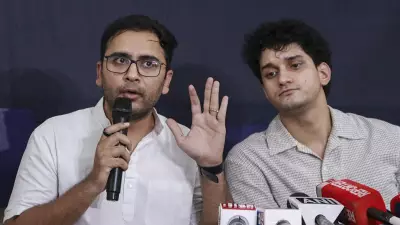
Trinamool Congress leader Derek O'Brien launched a scathing attack, accusing the BJP-led central government of suffering from what he termed Parliament-ophobia. He asserted that the Modi administration appears fearful of discussions on pressing issues including unemployment, federalism, and the Special Intensive Revision of electoral rolls.
O'Brien emphasized in a social media post that the House will actually convene for only 15 days during this session. He provided historical context, noting that during the first Lok Sabha in 1952, parliament met for an average of 45 days per session, starkly contrasting with the current 17-day average.
The TMC leader further highlighted that parliamentary sessions have consistently dropped below 20 days after 2014. He particularly criticized the government for avoiding scheduling a session around Constitution Day on November 26, which he described as the perfect occasion for substantive debate on constitutional values and principles.
Congress Questions Timing and Duration
Congress leader Jairam Ramesh joined the criticism, raising serious concerns about both the timing and shortened duration of the upcoming winter session. He described the session as unusually delayed and truncated in his statement on social media platform X.
Ramesh informed ANI that parliament sessions are traditionally convened between November 20 and December 24, making the current schedule particularly noteworthy. He pointedly asked What is the government running away from? while noting that shortened sessions often precede elections.
The Congress leader outlined several key issues the opposition plans to raise during the session, including unemployment, economic challenges, the SIR matter, and the Prime Minister's silence regarding Donald Trump's recent claims about mediating India-Pakistan relations.
The opposition's united front against the shortened parliamentary schedule underscores growing tensions between the ruling party and opposition blocs, setting the stage for a potentially contentious winter session focused on democratic processes and governance accountability.