No Lok Sabha Discussion on FCRA Amendment Bill Amid Opposition Protests: Rijiju
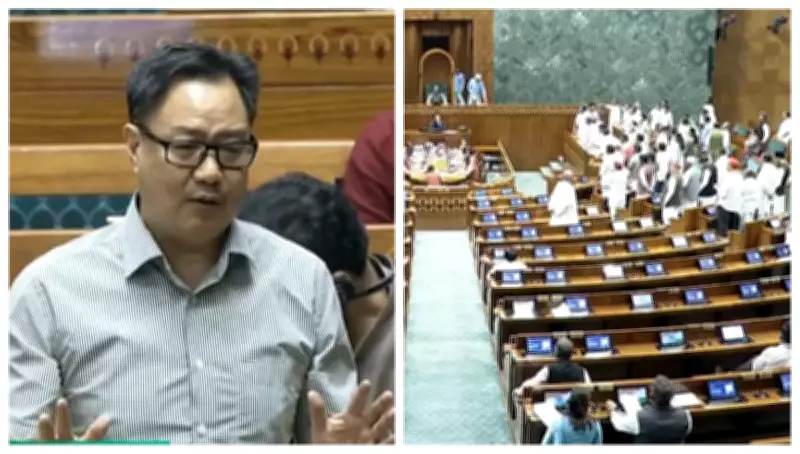
In a significant parliamentary development, Parliamentary Affairs Minister Kiren Rijiju has officially declared that the Foreign Contribution Regulation Act (FCRA) amendment bill will not be taken up for discussion in the Lok Sabha. This announcement comes amidst ongoing protests and disruptions by opposition parties, who have been vociferously demanding a debate on the contentious legislation.
Background of the FCRA Amendment Bill
The FCRA amendment bill aims to introduce key changes to the existing Foreign Contribution Regulation Act, which governs the acceptance and utilization of foreign funds by non-governmental organizations (NGOs) and other entities in India. The proposed amendments have sparked widespread debate, with proponents arguing they will enhance transparency and national security, while critics contend they could stifle civil society and restrict legitimate foreign funding for social causes.
Originally slated for discussion in the current parliamentary session, the bill has become a focal point of political contention. Opposition parties have raised concerns about its potential impact on democratic freedoms and have been pressing for a thorough examination and debate in the House.

Opposition Protests and Parliamentary Disruptions
In recent days, the Lok Sabha has witnessed repeated disruptions as opposition members staged protests, demanding that the FCRA amendment bill be discussed. These protests have included sloganeering, walkouts, and other forms of dissent, leading to frequent adjournments and hampering the normal functioning of the House.
Minister Kiren Rijiju, addressing the media outside Parliament, cited these continuous disruptions as the primary reason for the decision to not proceed with the bill's discussion. He emphasized that the government is committed to legislative business but requires a conducive environment for meaningful debate, which has been lacking due to the opposition's actions.
Rijiju stated, "The FCRA amendment bill will not be discussed in Lok Sabha as the opposition has created an atmosphere of disruption. We believe in constructive dialogue, but without consensus and order, it is not feasible to move forward."Government's Stance and Future Implications
The government, led by the ruling party, has maintained that the FCRA amendments are necessary to prevent misuse of foreign funds and to align with national security interests. However, the decision to shelve the discussion highlights the challenges of navigating parliamentary procedures amid heightened political tensions.
This move could have broader implications for legislative agenda in the ongoing session, potentially delaying other key bills and affecting the government's timeline for policy implementation. It also underscores the deepening rift between the ruling and opposition benches on issues of governance and transparency.
Reactions from Political Stakeholders
Opposition leaders have criticized the government's decision, accusing it of avoiding scrutiny and undermining democratic processes. They argue that by not allowing a discussion, the government is sidestepping accountability and ignoring legitimate concerns raised by various stakeholders, including NGOs and civil society groups.
On the other hand, supporters of the government have backed Rijiju's stance, pointing to the need for parliamentary decorum and the opposition's responsibility to engage in productive discussions rather than protests. They assert that the bill can be revisited in a future session when a more cooperative atmosphere prevails.
As the situation unfolds, all eyes are on how this impasse will be resolved and whether the FCRA amendment bill will eventually find its way back to the Lok Sabha for deliberation. For now, the focus remains on the broader dynamics of parliamentary democracy and the balance between legislative progress and political dissent.