

Budget 2026 Session Commences Amidst Political Tensions and Opposition Strategy
The Budget Session of Parliament begins today, 28 January, setting the stage for a potentially tumultuous period as the Congress-led Opposition prepares to challenge the government on several critical fronts. The session opens with the traditional address by President Droupadi Murmu to the joint sitting of both Houses – the Lok Sabha and the Rajya Sabha. This ceremonial start, however, belies the intense political maneuvering expected in the coming weeks.
Opposition Unites to Corner Government on Key Legislation
The Congress Parliamentary Strategy Group convened on Tuesday at the residence of Parliamentary Party Chairperson Sonia Gandhi to formulate a cohesive plan for the session. Senior leaders, including Congress President Mallikarjun Kharge and Leader of Opposition Rahul Gandhi, attended the meeting to discuss a comprehensive list of issues. According to Congress MP Syed Naseer Hussain, the primary focus will be on the VB G RAM G Act, which replaced the earlier MGNREGA scheme, and the ongoing Special Intensive Revision (SIR) of electoral rolls.
Key opposition demands include:

- Detailed discussions on the National Rural Employment Bill and its implications for rural workers.
- Scrutiny of the Special Intensive Revision process and its impact on electoral transparency.
- Addressing pressing environmental concerns, including air pollution and climate policies.
- Raising foreign policy matters, particularly regarding tariffs imposed by the US on India.
- Highlighting issues related to Ladakh and Jammu & Kashmir, alongside economic and social media regulations.
Government Rejects Opposition Demands, Citing Previous Debates
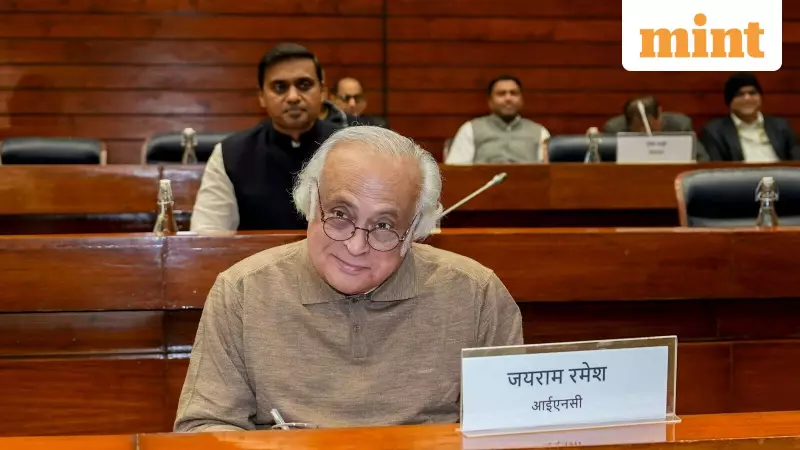
In a pre-session all-party meeting held on 27 January, the government firmly rejected the Opposition's demands for fresh discussions on the VB-G RAM G Act and the SIR. Parliamentary Affairs Minister Kiren Rijiju stated that both issues had already been extensively debated in Parliament, emphasizing that "we cannot reverse the gear." This stance sets the tone for potential confrontations, as opposition members, including Congress's Jairam Ramesh and CPI(M)'s John Brittas, also raised objections to the delayed circulation of government business for the session.
INDIA Bloc to Finalize Joint Strategy for Budget Session
Further solidifying the opposition's approach, Leader of Opposition in the Rajya Sabha, Mallikarjun Kharge, has called for a meeting of the INDIA bloc parties on Wednesday morning. This gathering aims to finalize a unified strategy to effectively raise their concerns during the Budget Session. The coordination among opposition parties underscores their determination to hold the government accountable on multiple policy fronts.
Session Schedule and Key Highlights
The Budget Session is scheduled to run from 28 January to 2 April, with an intersession break dividing it into two phases. The first phase will continue until 13 February, followed by the second phase from 9 March to 2 April. Throughout this period, Parliament will have 30 sittings, with the highly anticipated Union Budget for 2026-27 set to be presented on 1 February.
Major points of contention expected during the session:
- The implementation and effectiveness of the VB G RAM G Act in ensuring employment guarantees.
- The transparency and fairness of the Special Intensive Revision process for electoral rolls.
- Environmental policies and measures to combat air pollution across the country.
- Foreign policy challenges, including trade relations with the United States.
- Economic indicators and social issues such as the proposed ban on social media for early teens.
As the session unfolds, the political dynamics between the ruling government and the united opposition are poised to shape legislative discussions and public discourse. The outcome of these debates will likely influence policy directions and public perception in the lead-up to the Union Budget presentation.






