Women's Quota Bill: The Formidable Challenges Facing Implementation
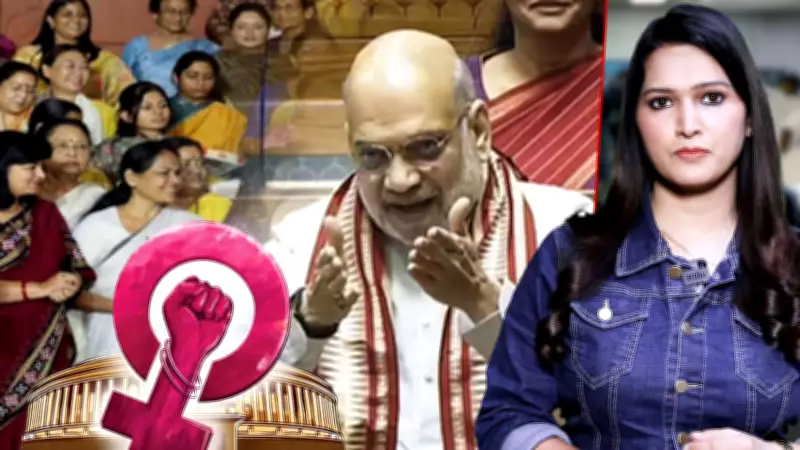
The Modi government's ambitious plan to implement the Nari Shakti Vandan Adhiniyam, which seeks to reserve 33% of Lok Sabha seats for women, represents a landmark reform in Indian parliamentary democracy. However, this transformative proposal faces multiple significant challenges that could complicate its execution and timeline.
Constitutional and Legal Hurdles
The proposal requires expanding the Lok Sabha from its current 543 seats to approximately 816 seats to accommodate the 33% reservation without reducing existing male representation. This expansion necessitates a constitutional amendment, which requires approval by a two-thirds majority in both houses of Parliament and ratification by at least half of the state legislatures.
The "one person, one vote" principle presents a particularly thorny legal challenge. Preserving current state-wise seat distribution while implementing the quota could conflict with this fundamental democratic principle, especially given uneven population growth patterns across different regions of India.

Delimitation Complexities
The delimitation process scheduled after the 2026 Census adds another layer of complexity to implementation. This exercise, which redraws parliamentary constituencies based on population data, could significantly impact how the women's quota is applied across different states and regions.
Northern states with higher population growth rates might gain additional seats, while southern states with more controlled population growth could see their relative representation diminish. This creates a delicate balancing act for policymakers seeking to implement the quota while maintaining regional equity.
Political and Regional Balancing
The reform requires careful navigation of competing regional interests. Northern and southern states have different demographic trajectories and political priorities, making consensus-building particularly challenging. The government must address concerns about representation fairness while advancing women's political participation.
Key implementation challenges include:
- Constitutional amendment requirements for expanding Lok Sabha strength
- Legal scrutiny of the "one person, one vote" principle application
- Delimitation complexities following the 2026 Census
- Balancing northern and southern state interests
- Building political consensus across party lines
- Ensuring the reform withstands judicial review
Implementation Timeline and Strategy
The government's approach will likely involve phased implementation, beginning with the constitutional amendment process, followed by delimitation exercises, and finally the actual reservation implementation. Each phase presents its own set of challenges that require meticulous planning and broad political support.
The success of this historic reform will ultimately depend on careful legal planning, strategic political negotiations, and constitutional compliance. The Modi government faces the dual challenge of advancing women's representation while navigating India's complex federal structure and legal framework.