Siddaramaiah Defends Budget Timing Amid Controversy
Karnataka Chief Minister Siddaramaiah has sparked a significant debate by openly defending his decision to present the state budget on the auspicious days of Ugadi and Shivratri. In a bold statement, he revealed personal practices that challenge traditional beliefs, stating, "I eat meat on Ugadi and Shivratri, and I do not believe in Rahu Kaala." This declaration has drawn attention to the intersection of politics, religion, and governance in the state.
Budget Presentation on Festive Days
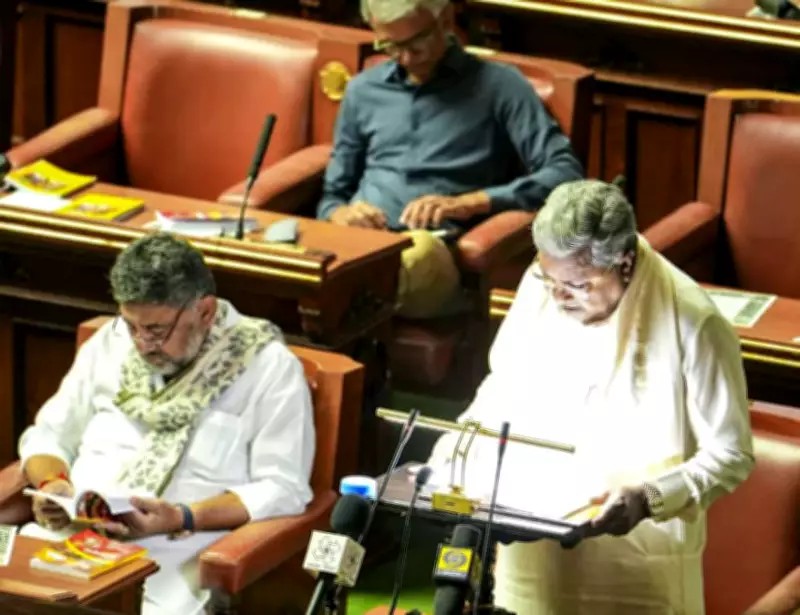
The controversy arose when Siddaramaiah scheduled the Karnataka state budget presentation for March 25, 2026, which coincides with both Ugadi, the Kannada New Year, and Shivratri, a major Hindu festival dedicated to Lord Shiva. Critics argued that presenting a budget on such sacred days is inauspicious and disrespectful to religious sentiments. However, the Chief Minister firmly stood by his decision, emphasizing the importance of administrative timelines over astrological considerations.
Personal Beliefs and Public Statements
In his defense, Siddaramaiah made a candid admission about his personal habits, noting that he consumes meat on Ugadi and Shivratri, contrary to common practices where many Hindus abstain from non-vegetarian food on these occasions. He further dismissed the concept of Rahu Kaala, an inauspicious time period in Hindu astrology, stating that he does not subscribe to such beliefs. This stance highlights his secular approach and focus on practical governance, but it has also ignited discussions on cultural sensitivity and political messaging.

Political and Social Reactions
The statement has elicited mixed reactions from various quarters. Supporters praise Siddaramaiah for his straightforwardness and commitment to secular principles, arguing that governance should not be hindered by superstitions. On the other hand, opposition parties and some religious groups have criticized him for allegedly undermining cultural traditions and showing disregard for Hindu customs. This incident adds to ongoing debates about the role of religion in public life and the balancing act politicians must perform in a diverse society like Karnataka.
Implications for Governance
By rejecting astrological beliefs like Rahu Kaala, Siddaramaiah reinforces a narrative of rational decision-making in administration. His emphasis on timely budget presentations, regardless of festive calendars, underscores priorities in economic planning and public service delivery. However, this episode also raises questions about how leaders navigate religious sentiments while promoting progressive policies, a challenge that resonates beyond Karnataka in India's political landscape.
As the debate continues, Siddaramaiah's remarks serve as a reminder of the complex interplay between personal convictions and public responsibilities in modern governance.