Women's Quota Bill Defeated, Delimitation to Proceed Post-2026 Census
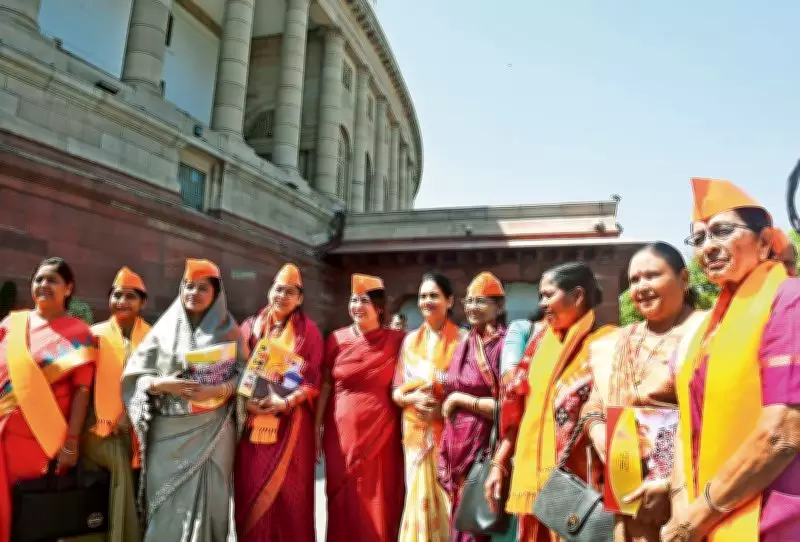
The long-awaited Women's Reservation Bill, aimed at reserving seats for women in legislative bodies, has been defeated in Parliament. This development marks a significant setback for gender equality advocates in India, who have been pushing for increased female representation in politics for decades.
Key Details of the Bill's Defeat
The bill, which proposed to reserve one-third of seats in the Lok Sabha and state legislative assemblies for women, failed to secure the necessary majority during the parliamentary session. Opposition parties and some ruling coalition members raised concerns over the implementation timeline and its potential impact on existing reservation structures.
Delimitation Process to Move Forward

In a related decision, the government has announced that the delimitation of constituencies will proceed after the 2026 census. Delimitation involves redrawing electoral boundaries based on population data to ensure fair representation. This process is crucial for the eventual implementation of any reservation policy, including the proposed women's quota.
Implications for Gender Representation
The defeat of the Women's Reservation Bill means that the goal of achieving 33% representation for women in Parliament and state assemblies remains unfulfilled. Proponents argue that such quotas are essential to address historical underrepresentation and empower women in decision-making roles.
Political analysts note that the bill's failure reflects ongoing debates over reservation policies in India, with some stakeholders advocating for a more gradual approach or alternative measures to promote women's participation.
Timeline and Next Steps
With delimitation scheduled post-2026 census, the earliest possible implementation of a women's reservation law would be after the completion of this process. The census, which collects detailed demographic data, is a prerequisite for accurate delimitation and subsequent reservation allocations.
- The Women's Reservation Bill was introduced to enhance gender parity in Indian politics.
- Its defeat delays efforts to mandate reserved seats for women in legislative bodies.
- Delimitation will now occur after the 2026 census, affecting future electoral boundaries.
- This decision impacts the timeline for any potential revival of gender-based quotas.
The outcome has sparked discussions among political parties, women's rights groups, and civil society organizations, highlighting the challenges in balancing electoral reforms with broader social goals.