

Women MPs Laid Siege to PM's Seat, Threat Was Real: Lok Sabha Sources
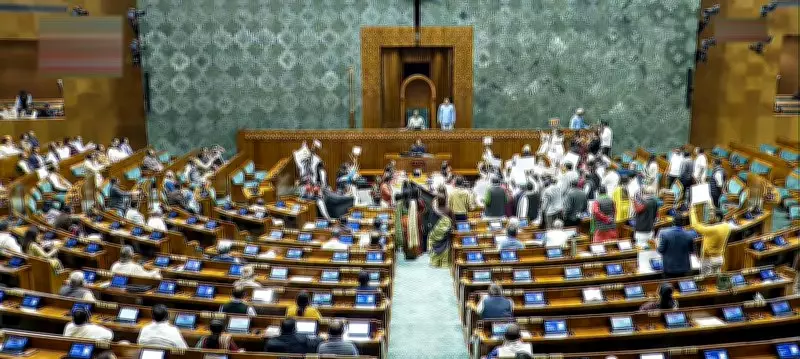
In a startling revelation from the heart of India's democracy, sources within the Lok Sabha have disclosed a significant security breach where women Members of Parliament laid siege to the Prime Minister's seat. This incident, which occurred during a parliamentary session, has sent shockwaves through political circles, with insiders confirming that the threat posed was real and immediate, raising urgent questions about the safety protocols in the nation's highest legislative body.
Details of the Security Breach
According to the sources, the event unfolded when a group of women MPs, whose identities have not been officially released, moved aggressively towards the Prime Minister's designated seat in the Lok Sabha chamber. Eyewitness accounts describe a tense atmosphere as the MPs surrounded the area, effectively blocking access and creating a volatile situation. The sources emphasized that this was not a mere protest or symbolic gesture but a genuine threat that required swift intervention from security personnel to defuse.
The incident highlights potential vulnerabilities in parliamentary security, which is typically stringent given the presence of top government officials. Lok Sabha sources noted that the breach occurred despite existing measures, suggesting a need for a thorough review of protocols. This event marks one of the most serious security lapses in recent parliamentary history, prompting calls for an immediate investigation into how such an action could have been carried out.

Implications for Parliamentary Safety
The threat to the Prime Minister's seat has far-reaching implications for India's governance and security framework. Key points include:
- Enhanced Security Measures: Authorities are likely to implement stricter access controls and surveillance within the Lok Sabha premises to prevent similar incidents.
- Political Fallout: The involvement of women MPs adds a complex layer, potentially sparking debates on gender dynamics and political dissent in parliamentary proceedings.
- Public Confidence: Such breaches can erode public trust in the safety of democratic institutions, necessitating transparent communication from government officials.
In response, parliamentary officials have reportedly initiated an internal inquiry to assess the circumstances and identify any lapses. The sources stressed that while no physical harm occurred, the psychological impact and the precedent set by this siege are concerning. This incident serves as a wake-up call for bolstering security across all levels of government, ensuring that elected representatives can perform their duties without fear of intimidation or danger.
Broader Context and Reactions
This security breach comes at a time of heightened political activity in India, with ongoing debates and legislative sessions. The Lok Sabha sources did not specify the motives behind the women MPs' actions, but it is speculated to be linked to broader political grievances or protests. Reactions from political parties have been mixed, with some condemning the breach as unacceptable and others calling for a nuanced understanding of the underlying issues.
As the story develops, experts warn that such incidents could set a dangerous precedent if not addressed promptly. The focus now shifts to how parliamentary authorities will reinforce security without compromising the openness and accessibility that are hallmarks of a vibrant democracy. Ensuring the safety of all MPs, especially the Prime Minister, remains a top priority, and this event is likely to lead to policy changes aimed at fortifying India's legislative spaces against future threats.






