Opposition's Digital Coordination Leads to Defeat of Women's Quota Delimitation Bill
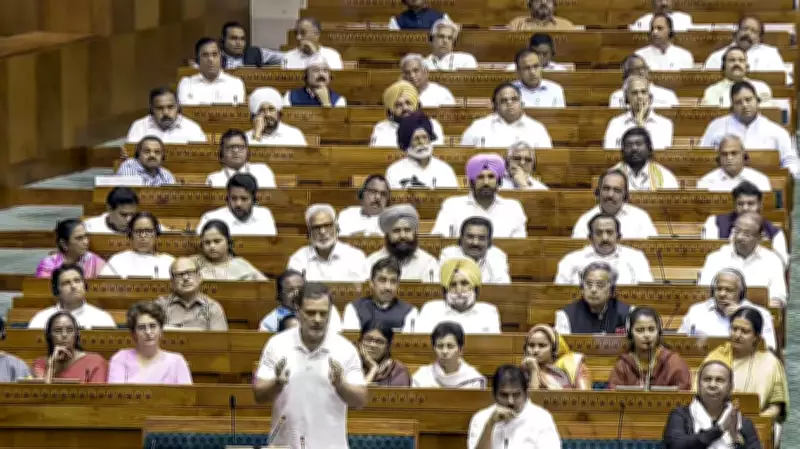
In a significant parliamentary development, opposition parties successfully defeated a bill aimed at implementing the women's reservation quota through delimitation, thanks to a meticulously coordinated strategy using WhatsApp groups. The vote, which took place on April 19, 2026, highlighted a rare display of unity among opposition members, who leveraged digital tools to ensure a cohesive stance against the legislation.
Strategic Use of WhatsApp Groups for Parliamentary Unity
The opposition's approach involved creating dedicated WhatsApp groups where leaders and MPs could discuss tactics, share updates, and align their voting intentions in real-time. This digital coordination proved crucial in mobilizing support and preventing any last-minute defections, allowing the opposition to present a united front during the crucial vote on the delimitation bill.
Key aspects of this strategy included:

- Real-time communication to address concerns and clarify positions among opposition members.
- Sharing of parliamentary procedures and voting schedules to ensure all MPs were informed and prepared.
- Coordinated messaging to highlight objections to the bill's provisions, particularly regarding the delimitation process and its impact on the women's quota implementation.
Implications for Women's Quota and Lok Sabha Seats
The defeated bill was designed to facilitate the early implementation of the women's reservation quota by increasing the number of Lok Sabha seats through a delimitation exercise. Opposition parties argued that the proposed delimitation could lead to unfair representation and delay the effective rollout of the quota system. By uniting against the bill, they have temporarily stalled this legislative effort, sparking debates on alternative methods to achieve gender parity in Parliament.
This event underscores the growing role of digital platforms in political strategy, with WhatsApp emerging as a key tool for organizing parliamentary actions. It also reflects broader tensions in Indian politics over electoral reforms and women's representation, setting the stage for future discussions on how to balance delimitation with quota implementation without compromising democratic principles.