MHA Constitutes Two Additional Empowered Committees for CAA in West Bengal
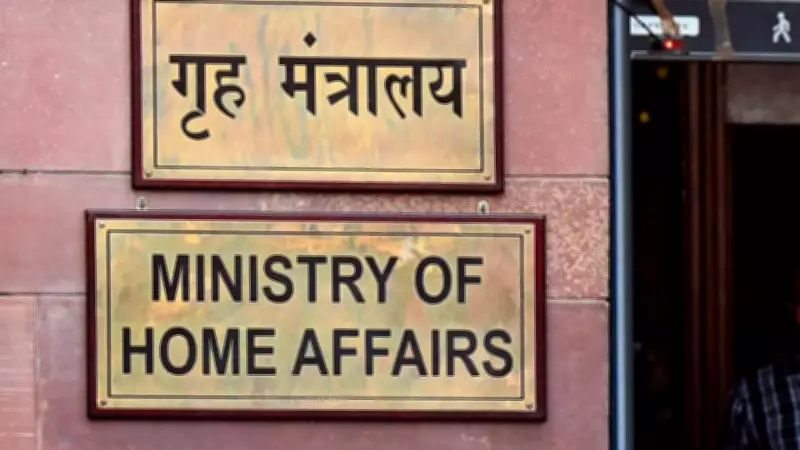
The Union Home Ministry on Friday announced the formation of two new empowered committees in West Bengal, aimed at expediting the processing of citizenship applications submitted under the Citizenship (Amendment) Act, 2019. This strategic move increases the total number of functional empowered committees in the state to four, enhancing administrative capacity to handle a significant volume of requests.
Enhanced Structure for Efficient Citizenship Processing
According to a gazette notification issued on Monday, the two additional empowered committees will be chaired by the deputy registrar general of the Directorate of Census Operations in West Bengal. These committees are tasked with making final decisions on citizenship applications after district-level committees have verified the necessary documents. This arrangement aligns with the framework established by the ministry's notification on February 20, ensuring consistency and procedural integrity.
The original empowered committee, established in March 2024 and led by the director of census operations in Bengal, will continue to operate. With the introduction of three additional committees—including the two newly formed ones—central government sources indicate that the high influx of CAA applications will be managed more efficiently, significantly reducing processing times.

Background and Implications of the CAA
The Citizenship (Amendment) Act, 2019, provides a pathway to Indian citizenship for immigrants from Pakistan, Afghanistan, and Bangladesh who belong to six minority religious communities: Hindu, Sikh, Christian, Buddhist, Jain, and Parsi. To qualify, these individuals must have entered India on or before December 31, 2014, due to fears of religious persecution in their home countries.
West Bengal, with its substantial population of Hindu immigrants such as the Matua community, has been a focal point for CAA implementation. The Bharatiya Janata Party (BJP) has actively engaged with the Matua community to bolster its electoral prospects ahead of the upcoming state assembly elections, highlighting the political dimensions of this administrative enhancement.
Composition and Functionality of the New Committees
The newly constituted empowered committees incorporate specific modifications to their membership structure. Certain members from the original committee, as notified on March 11, 2024—including the jurisdictional foreigners regional registration officer (FRRO) and the state informatics officer—are authorized to nominate an officer each, not below the rank of under secretary. Other key members, such as an officer from the subsidiary intelligence bureau and the post master general or a nominated postal officer, remain unchanged.
Additionally, the new panels will include invitees from the office of the principal secretary (home) or additional chief secretary (home) of West Bengal, as well as a representative from the jurisdictional divisional railway manager. This diverse composition aims to streamline inter-departmental coordination and ensure thorough scrutiny of applications.
Strategic Objectives and Future Outlook
The establishment of these additional committees underscores the government's commitment to accelerating the citizenship process under the CAA, particularly in regions with high applicant numbers. By decentralizing and expanding the committee framework, the Home Ministry seeks to address logistical challenges and improve service delivery to eligible immigrants.
This development is part of broader efforts to implement the CAA effectively, balancing administrative efficiency with the humanitarian objectives of the legislation. As the committees become operational, stakeholders will monitor their impact on processing times and the overall experience of applicants seeking citizenship in India.