TMC Ready to Join Forces with Congress for Impeachment of Election Commission Chief
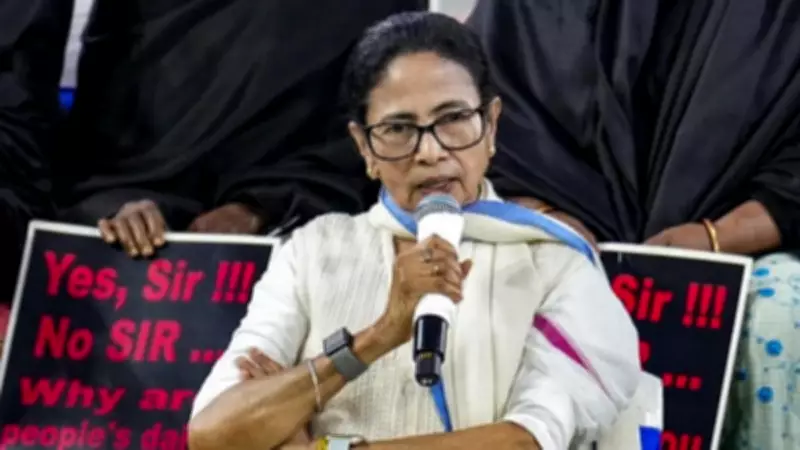
In a significant political development, West Bengal Chief Minister Mamata Banerjee has declared that the Trinamool Congress (TMC) is open to collaborating with the Congress party to initiate impeachment proceedings against Election Commission Chief Gyanesh Kumar. This announcement comes amid growing tensions between the TMC and the Election Commission of India.
Allegations of Arrogance During Meeting at Nirvachan Sadan
The Chief Minister made these remarks following a meeting between a TMC delegation and the Chief Election Commissioner (CEC) at the Nirvachan Sadan on Monday. During this encounter, Mamata Banerjee accused Gyanesh Kumar of displaying arrogance towards the TMC representatives. She described the CEC's behavior as dismissive and uncooperative, which has fueled the party's determination to pursue formal action against him.
Political Implications and Broader Context
This potential alliance between TMC and Congress for impeachment highlights the escalating political friction surrounding the Election Commission's functioning. The move could signal a coordinated opposition effort to challenge the commission's authority and decisions, particularly in the context of ongoing electoral processes and governance issues. Political analysts suggest that such collaboration might reshape opposition dynamics and influence future electoral strategies.

Background and Recent Developments
The controversy stems from recent interactions where the TMC has expressed dissatisfaction with the Election Commission's handling of various matters. Mamata Banerjee's strong criticism of Gyanesh Kumar adds to a series of confrontations between regional parties and central institutions. The call for impeachment, if pursued, would involve complex parliamentary procedures and require substantial political backing.
As of February 3, 2026, this development continues to unfold, with reactions expected from other political entities and legal experts. The situation underscores the increasingly contentious relationship between state governments and constitutional bodies in India's political landscape.