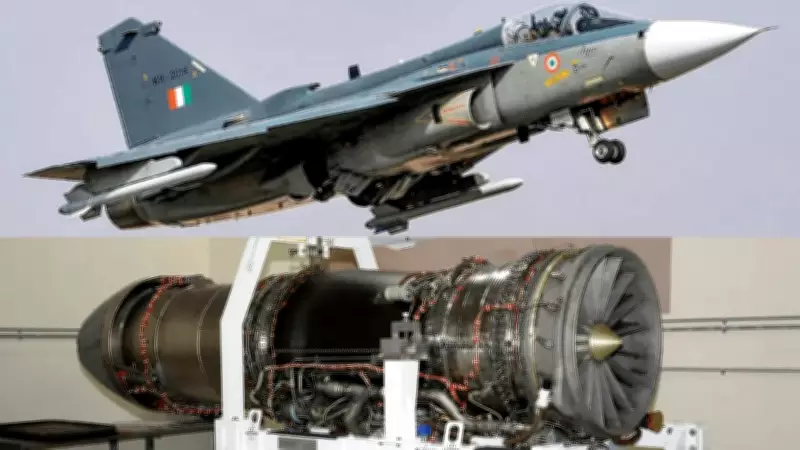
Tejas Mk1A Fighter Jet Programme Hit by Engine Supply Bottleneck
The Tejas Mk1A fighter jet programme, a cornerstone of India's indigenous defence capabilities, is confronting another significant setback due to critical engine supply issues. GE Aerospace has officially confirmed the delivery of only the sixth F404-IN20 engine to Hindustan Aeronautics Limited (HAL) for this financial year. This delivery falls drastically short of the revised annual target of 11 engines, creating a major bottleneck that threatens to derail production timelines and further postpone the induction of these advanced aircraft into the Indian Air Force.
Production Schedule Disrupted by Insufficient Engine Deliveries
The current pace of engine delivery from GE Aerospace remains woefully inadequate to support HAL's ambitious production schedule for the Tejas Mk1A. This shortfall directly impacts the planned aircraft rollout, forcing a reassessment of manufacturing timelines. The F404-IN20 engine is an essential imported component for the Tejas Mk1A, and any disruption in its supply chain has immediate and severe consequences for the entire programme. Industry analysts note that this situation highlights the programme's structural vulnerabilities, particularly its dependence on foreign suppliers for key technologies.
Timeline Delays Exceeding Two Years
Originally, the first batch of Tejas Mk1A fighters was anticipated to be delivered by March 2024. However, due to these persistent supply chain challenges, the projected delivery date has now been pushed to mid-2026. This represents a delay of over two years, raising concerns about the programme's ability to meet operational requirements and strategic defence timelines. The delays are partly attributed to global geopolitical tensions that have disrupted international supply chains, affecting the steady flow of critical components like the F404-IN20 engines.

Incremental Progress Amidst Broader Challenges
While the delivery of the sixth engine marks a step forward, it is viewed as merely incremental progress that does little to alter the overall negative trajectory of the programme. Defence officials emphasize that the Tejas Mk1A initiative now critically depends on achieving a precise synchronization between engine availability, aircraft production rates, and certification processes. This complex coordination challenge will define the programme's pace and success in the coming months, requiring close collaboration between HAL, GE Aerospace, and regulatory bodies.
The ongoing delays underscore the urgent need for strategic interventions to stabilize the supply chain and accelerate production. As the programme navigates these hurdles, its progress remains a key indicator of India's self-reliance in defence manufacturing and the operational readiness of its air force capabilities.