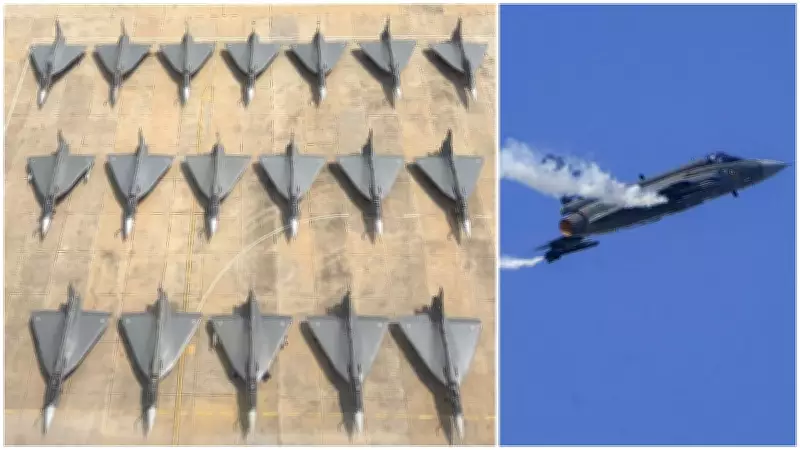
IAF's Tejas LCA Fleet Poised for Operational Return After Comprehensive Safety Review
The Indian Air Force's fleet of Tejas Light Combat Aircraft Mk-1 is anticipated to resume active flying duties starting next week, following the completion of mandatory regulatory safety checks. This development comes after a temporary grounding of the aircraft for routine maintenance and inspection protocols.
Background: Safety Checks Initiated After February Incident
In February, a Tejas LCA was involved in an accident at a forward operational base, resulting in injuries to the pilot. In response, the IAF proactively placed approximately 34 Tejas Mk-1 aircraft under a detailed "routine maintenance check" to ensure airworthiness and operational safety. These checks are standard procedure following any incident to verify system integrity and prevent potential issues.
Regulatory Clearance and Operational Timeline
Authorities have conducted thorough inspections and are finalizing regulatory approvals. Barring any unforeseen complications, the fleet is scheduled to be cleared for flight operations by the coming week. This step is crucial for maintaining the IAF's combat readiness and training schedules.

Hindustan Aeronautics Limited's Role and Delivery Delays
Concurrently, Hindustan Aeronautics Limited (HAL), the manufacturer of the Tejas, is facing delays in delivering more advanced variants of the jet. Pending tests and certifications for these upgraded models have extended the timeline for new aircraft inductions into the IAF. This delay impacts the planned enhancement of the fleet's capabilities with newer technologies and improved performance features.
Implications for India's Defense Preparedness
The temporary grounding and subsequent return of the Tejas fleet highlight the IAF's commitment to safety and procedural rigor. However, the delays in HAL's deliveries underscore challenges in domestic defense production timelines. Key points include:
- Safety First: The IAF's proactive measures ensure pilot safety and aircraft reliability.
- Operational Impact: The fleet's return will restore full operational capacity for missions and training.
- Production Delays: HAL's testing bottlenecks may affect long-term modernization plans.
- Strategic Significance: The Tejas program is vital for India's self-reliance in defense manufacturing.
As the situation evolves, stakeholders are monitoring progress closely to balance immediate operational needs with future defense acquisitions.