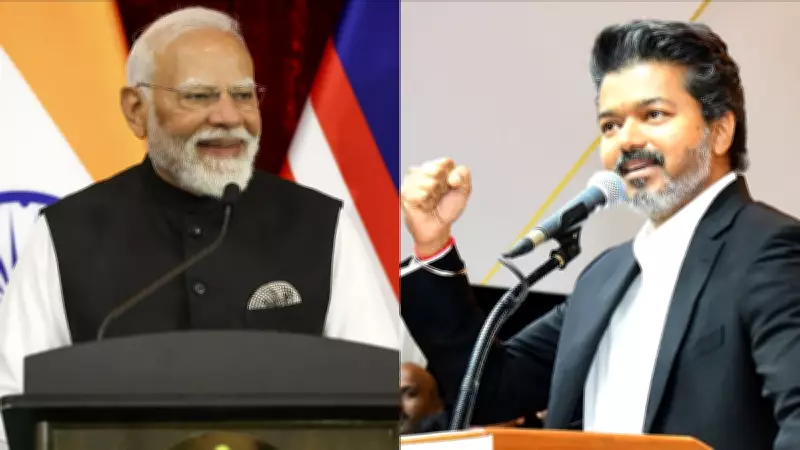
Tamil Nadu Chief Minister Vijay is set to meet Prime Minister Narendra Modi on May 27 during his first official visit to Delhi. The meeting is expected to focus on key issues pertaining to state development and central assistance.
Details of the Visit
The Chief Minister's office confirmed that Vijay will depart for Delhi on May 26 and hold discussions with the Prime Minister the following day. This marks his inaugural official trip to the national capital since assuming office. The agenda includes proposals for new infrastructure projects, industrial investments, and enhanced cooperation between the state and central governments.
Key Discussion Points
Sources indicate that the meeting will address pending fund releases for state schemes, flood relief measures, and the implementation of central policies in Tamil Nadu. Additionally, Vijay is expected to raise concerns over the delimitation process and its impact on the state's parliamentary representation. The Chief Minister may also seek Modi's intervention in resolving inter-state water disputes.

Political Significance
This visit holds political importance as it comes amid ongoing tensions between the state government and the Centre over certain policy matters. Observers view the meeting as an opportunity to reset bilateral ties and foster a cooperative federal spirit. Vijay's party has emphasized the need for a constructive dialogue to ensure Tamil Nadu's interests are safeguarded.
Schedule and Protocol
The Chief Minister will be accompanied by senior bureaucrats and party officials. He is scheduled to meet the Prime Minister at his official residence at 11 AM, followed by a working lunch. Later, he may call on other Union ministers to discuss sector-specific issues. The visit is expected to conclude by evening, with Vijay returning to Chennai the same day.
Tamil Nadu has historically witnessed both confrontational and collaborative stances with the central government. This meeting is being watched closely for signals on future cooperation. Political analysts suggest that a positive outcome could pave the way for smoother governance and resource allocation for the state.