Sunetra Pawar's Political Ascent and Sharad Pawar's Calculated Moves in NCP Saga
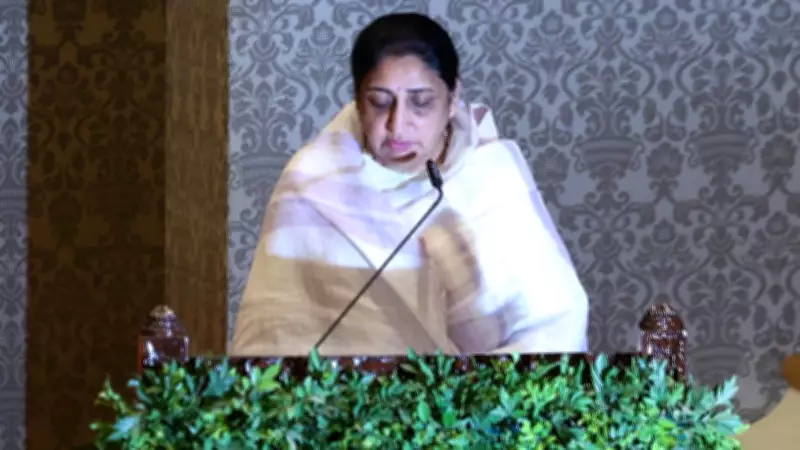
In a dramatic turn of events, Sunetra Pawar has taken oath as the Deputy Chief Minister of Maharashtra, stepping into the role following the untimely demise of her husband, Ajit Pawar. This development has sent ripples through the political landscape, with Sharad Pawar, the veteran leader and NCP(SP) chief, announcing a pause in the reunification process of the Nationalist Congress Party factions. His statement, made on Saturday morning, has ignited speculation about the underlying power dynamics and the potential influence of the Bharatiya Janata Party, often referred to as the invisible hand in this political drama.
The Historical Context of Sharad Pawar's Political Maneuvers
Sharad Pawar, at 85, is a seasoned politician with a career spanning several decades, marked by astute strategies and unpredictable moves. From toppling the Vasantdada Patil-led government in 1978 to become Chief Minister, to his revolt against Sonia Gandhi in 1999 that led to the formation of the NCP, Pawar has navigated numerous political intrigues. His recent remarks come at a critical juncture, as the NCP factions were poised to announce their merger on February 12, with plans to join the BJP-led NDA. Ajit Pawar was set to lead the party in Maharashtra, while Supriya Sule, Sharad Pawar's daughter, was expected to secure a position in the Union ministry.
The Impact of Ajit Pawar's Demise and Sunetra's New Role
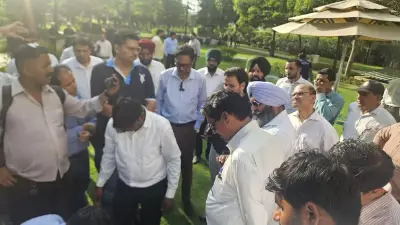
Ajit Pawar's sudden death in a plane crash near Baramati has drastically altered the political script. Sharad Pawar was quick to dismiss any conspiracy theories, emphasizing it as an accident, thereby asserting his authority within the Pawar clan. His subsequent visit to Nirvagaj village to address local issues was interpreted as a signal of his active engagement. However, the push to elevate Sunetra Pawar as Deputy CM has raised eyebrows, with many in opposition and NCP circles suspecting BJP's tacit support behind this move.

The Stalled Merger and Future Prospects
While Sharad Pawar has put the merger process on hold, NCP leaders suggest that reunification may still occur, but under specific conditions. They argue that Sunetra must first establish firm control over her faction to prevent Sharad Pawar from dominating post-merger terms. Sources indicate that the BJP and NCP aim to ensure Sunetra is firmly in charge before any unity talks resume, securing the party's alignment with the NDA. In the Lok Sabha, the NCP(SP) holds eight seats compared to the NCP's one, but in the Maharashtra Assembly, the NCP boasts 41 MLAs against NCP(SP)'s 10, highlighting the complex power balance.
Strategic Options and the Long Game
Looking ahead, several strategic moves are anticipated. Parth Pawar, Sunetra's son, is likely to take her Rajya Sabha seat, while Sunetra may contest from the Baramati Assembly constituency previously held by Ajit. There is also talk of her being appointed as the party's national president. Sharad Pawar appears to be biding his time, ready to play a long game that could benefit certain senior leaders within the NCP. Meanwhile, the INDIA alliance parties are adopting a wait and watch approach, as the outcome of this political chess game remains uncertain.
Ultimately, the merger of NCP factions hangs in the balance, with key players maneuvering for control. Sharad Pawar's experience in political battles positions him as a formidable strategist, but Sunetra's rise and BJP's alleged involvement add layers of complexity to this unfolding narrative in Maharashtra politics.