Tamil Nadu Chief Minister Appeals to Prime Minister Over Controversial Legislation
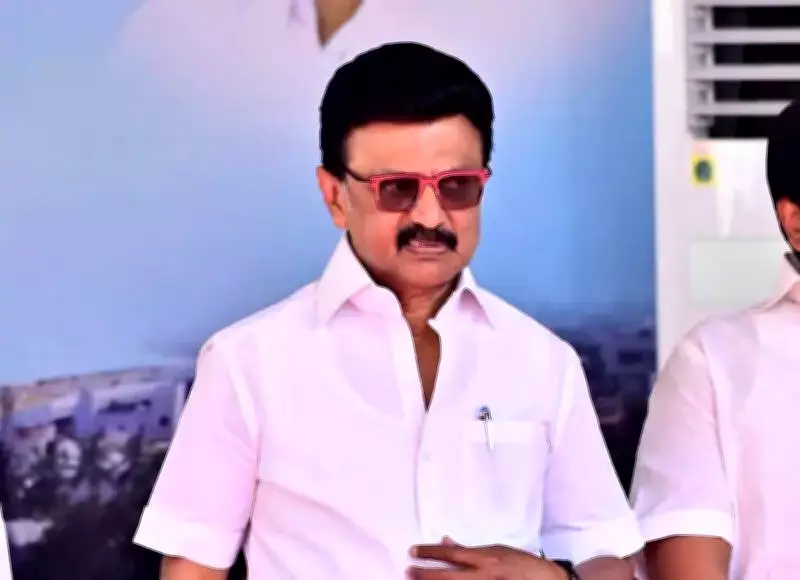
In a significant political development, Tamil Nadu Chief Minister M K Stalin has formally written to Prime Minister Narendra Modi, urging the Union government to withdraw the proposed Foreign Contribution (Regulation) Amendment (FCRA) Bill, 2026. The communication, sent on Friday, highlights growing concerns about the legislation's potential consequences for India's charitable sector and vulnerable populations.
Deep Concerns Over Impact on Charitable Institutions
Chief Minister Stalin expressed profound apprehension regarding the FCRA Bill's implications for charitable organizations and minority communities across the nation. "The Christian community across India is agitated and aggrieved by the Bill," Stalin stated in his letter. "It poses an existential threat to organisations dependent on foreign funds for education, healthcare and welfare."
The FCRA Bill was officially tabled in the Lok Sabha on March 25, sparking immediate debate about its potential effects on India's extensive network of non-governmental organizations and charitable entities.

Characterization as Draconian Legislation
Stalin described the proposed legislation as a "draconian legislation" that could fundamentally undermine India's charitable ecosystem. The Chief Minister warned that the bill contains provisions that could lead to the cancellation of registrations and the takeover of assets, including educational institutions and healthcare facilities, without proper due process.
"Such measures would not just affect institutions but millions of vulnerable citizens, including dalits, tribals and the rural poor, who rely on these services," Stalin emphasized in his communication to the Prime Minister.
Concerns About Government Capacity
The Tamil Nadu leader raised important questions about governmental capacity to replace the extensive services currently provided by charitable organizations. Stalin pointed out that neither the central government nor state governments possess the infrastructure or resources to substitute the vast network of grassroots services delivered by these organizations.
This concern touches on fundamental questions about social welfare delivery systems and the role of non-governmental organizations in supplementing government efforts in critical sectors like education and healthcare.
Broader Implications for Social Services
The Chief Minister's intervention highlights several critical issues:
- The potential disruption to educational services provided by charitable institutions
- Possible impacts on healthcare delivery systems in underserved areas
- Concerns about welfare programs for marginalized communities
- Questions about the future of foreign funding for social development projects
This development represents a significant state-level challenge to central government policy and raises important questions about federal relations and social policy implementation in contemporary India.