Prashant Bhushan Raises Alarm Over SIR Deletions Impacting Rights
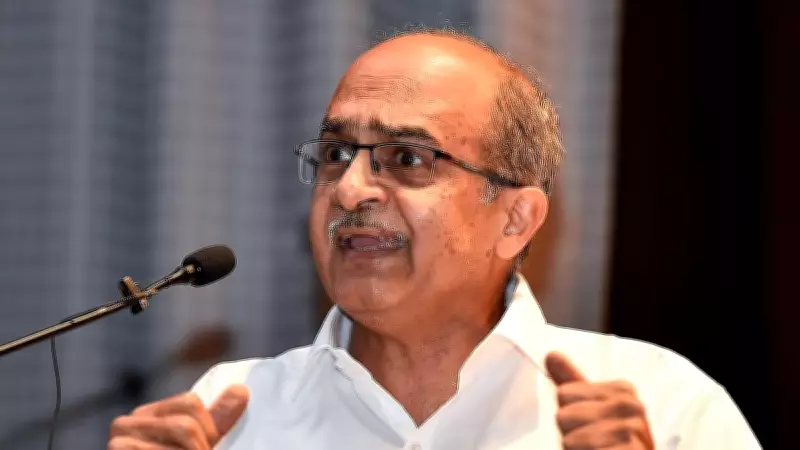
In a significant development, political activist Yogendra Yadav has reinforced his concerns, warning that the removal of lakhs of voters through the Summary Revision of Electoral Rolls (SIR) exercise may have far-reaching consequences beyond mere electoral disenfranchisement. This caution was echoed by prominent lawyer and activist Prashant Bhushan, who highlighted that those affected by SIR deletions could see their other identity-linked rights diluted.
Beyond Voting: The Broader Implications of SIR
At a press conference held recently, Yogendra Yadav elaborated on his apprehensions, stating that the SIR process, which aims to clean up electoral rolls, might inadvertently strip individuals of more than just their voting privileges. He emphasized that in a country like India, where identity documents are interlinked, the loss of voter registration could cascade into difficulties accessing essential services and rights.
Prashant Bhushan supported this view, noting that such deletions could undermine fundamental rights tied to citizenship and identity. He pointed out that without proper voter identification, individuals might face challenges in areas such as:

- Applying for government schemes and subsidies
- Accessing healthcare and education benefits
- Securing property rights and legal documentation
- Participating in social welfare programs
Context and Concerns in Indian Politics
The SIR exercise, a routine process to update electoral rolls, has come under scrutiny amid allegations of large-scale deletions, particularly in states like West Bengal. Critics argue that this could disproportionately affect marginalized communities, leading to a silent erosion of their civic rights. Yogendra Yadav and Prashant Bhushan's warnings add to a growing chorus of voices calling for transparency and fairness in the electoral revision process.
As of April 13, 2026, the issue remains a hot topic in Indian politics, with activists urging the Election Commission to ensure that SIR deletions do not become a tool for disenfranchisement. The broader implication, as highlighted, is that electoral rights are deeply connected to other aspects of identity, making any disruption in voter lists a potential threat to overall citizenship rights.
In summary, the concerns raised by Yogendra Yadav and Prashant Bhushan underscore the need for a careful and inclusive approach to electoral management in India, safeguarding not just voting rights but all associated identity-linked entitlements.