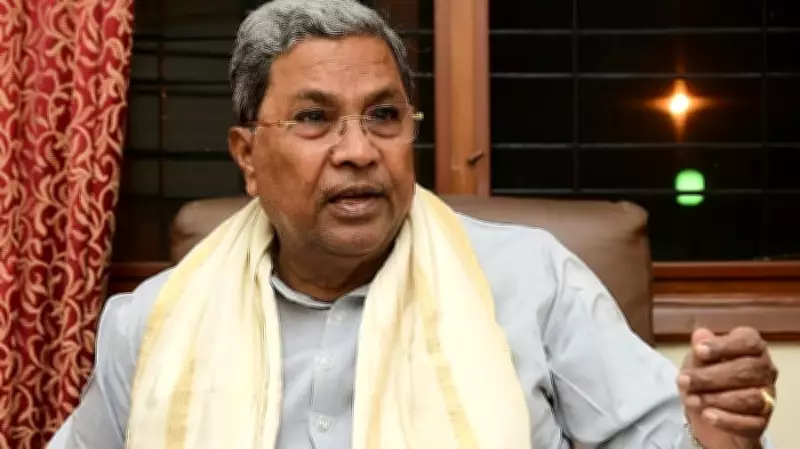
Karnataka Chief Minister Advocates for National System to Aid Stranded Citizens
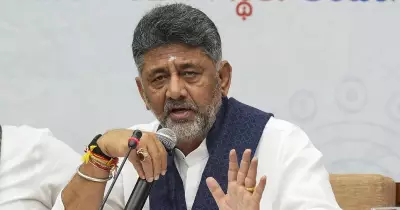
In a significant move addressing the plight of Indians abroad, Karnataka Chief Minister Siddaramaiah has formally requested the establishment of a national coordination system. This initiative aims to facilitate the safe return of Indian citizens who have been left stranded in various countries due to recent airspace restrictions.
Letter Highlights Urgent Need for Action
Dated March 2, 2026, Siddaramaiah's letter to the central government underscores the critical situation faced by many Indians. He pointed out that recent airspace closures and restrictions imposed by several nations have resulted in large-scale travel disruptions. These issues have particularly affected major transit hubs, with Dubai being a notable example where numerous Indian travelers are currently stuck.
The Chief Minister emphasized that the lack of a coordinated national response has exacerbated the challenges for these stranded individuals, who often face difficulties in accessing basic necessities and support services while awaiting repatriation.

Impact of Airspace Restrictions on Indian Travelers
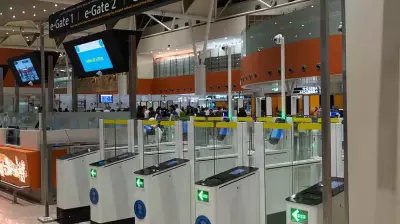
The airspace restrictions referenced by Siddaramaiah have led to widespread cancellations and delays in international flights. This has left many Indians, including students, workers, and tourists, in precarious situations abroad. In Dubai, a key transit point for flights between India and other regions, the disruptions have been especially severe, with reports of overcrowded airports and limited assistance for affected passengers.
Siddaramaiah's call for action comes amid growing concerns over the welfare of these citizens, as similar incidents in the past have highlighted gaps in India's emergency response mechanisms for overseas crises.
Proposed National Coordination System
In his letter, the Chief Minister outlined the need for a structured national coordination system that would involve multiple stakeholders, including the Ministry of External Affairs, state governments, and Indian embassies abroad. Key components of this proposed system include:
- Centralized Monitoring: A dedicated team to track and assess the situation of stranded Indians in real-time.
- Emergency Support: Provision of essential services such as food, accommodation, and medical aid through local consulates.
- Repatriation Plans: Coordinated efforts to arrange special flights or alternative travel routes for safe return.
- Communication Channels: Establishing hotlines and online portals for affected individuals to seek assistance and updates.
Siddaramaiah argued that such a system would not only address immediate crises but also serve as a proactive measure for future emergencies, ensuring a swift and efficient response to protect Indian citizens overseas.
Broader Implications for Indian Diplomacy and Governance
This appeal highlights broader issues in India's approach to handling overseas emergencies. By advocating for a national coordination framework, Siddaramaiah is pushing for enhanced inter-governmental collaboration and better preparedness. It reflects a growing recognition of the need for robust mechanisms to safeguard the interests of Indians abroad, particularly in an era of increasing global travel and geopolitical uncertainties.
The response from the central government to this proposal will be closely watched, as it could set a precedent for how India manages similar situations in the future, potentially improving diplomatic relations and citizen welfare on an international scale.