Shivakumar Clarifies Odisha Congress MLAs' Bengaluru Presence Ahead of Rajya Sabha Polls
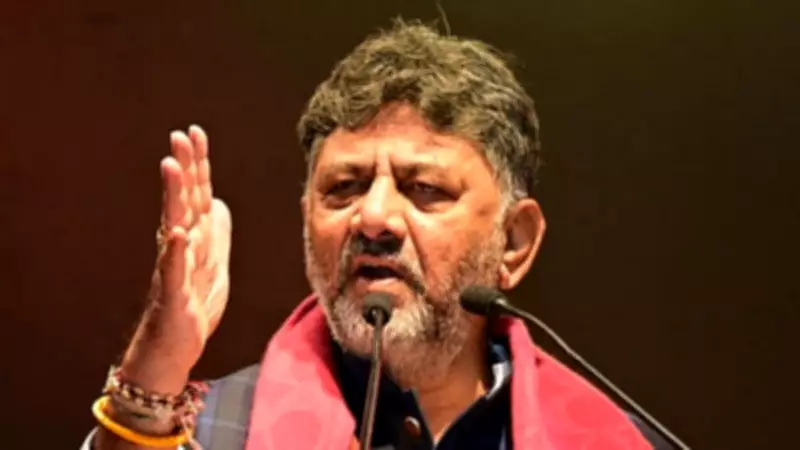
Karnataka Deputy Chief Minister D K Shivakumar has publicly addressed the situation involving a group of Odisha Congress legislators currently stationed in Bengaluru. His comments come amidst heightened political tension and speculation surrounding the upcoming biennial election for the Rajya Sabha, scheduled for March 16, 2026.
Party Directives Drive MLAs' Movement
In a statement that underscores the strategic maneuvers often seen in Indian politics, Shivakumar emphasized that the Odisha Congress members are acting in accordance with the party's instructions. "We are doing what the party asks of us," he remarked, framing their presence in Bengaluru as a routine organizational decision rather than an extraordinary measure.
This development follows the relocation of these legislators to Karnataka's capital, a move reportedly prompted by apprehensions of cross-voting during the crucial Rajya Sabha polls. Such elections, which determine representation in the Upper House of Parliament, frequently witness intense lobbying and efforts to secure votes, making the safeguarding of party loyalty a top priority for political outfits.

Background of the Rajya Sabha Election Concerns
The biennial election for the Rajya Sabha is a significant event in India's political calendar, with parties vying to maximize their seats through calculated voting by their Members of Legislative Assemblies (MLAs). In Odisha, the Congress party, which holds a minority position compared to the ruling Biju Janata Dal (BJD), faces particular challenges in ensuring its MLAs vote along party lines.
Historically, instances of cross-voting—where legislators defect from their party's stance—have marred such elections, leading to last-minute strategies like whisking away MLAs to secure locations. Bengaluru, known for its political neutrality and distance from Odisha's immediate influence, has emerged as a preferred destination for such operations, offering a controlled environment to prevent poaching or coercion by rival factions.
Political Implications and Reactions
Shivakumar's defense of the Odisha Congress MLAs' stay in Bengaluru highlights the broader tactical dimensions of resort politics in India. This practice, where legislators are housed in resorts or other states to shield them from external pressures, has become a common tool in high-stakes electoral scenarios. By framing it as a standard party directive, Shivakumar aims to normalize the action and deflect criticism from opposition parties, which often label such moves as undemocratic or desperate.
Meanwhile, political observers note that the move reflects the Congress party's heightened vigilance ahead of the Rajya Sabha polls. With the election just days away, securing every possible vote is crucial for the party's national ambitions, especially in states like Odisha where its presence is limited. The decision to relocate MLAs underscores the party's efforts to consolidate its position and prevent any erosion of support that could impact the election outcome.
Looking Ahead to the March 16 Election
As the March 16, 2026, Rajya Sabha election approaches, all eyes will be on Odisha and other states undergoing similar polls. The effectiveness of strategies like moving MLAs to Bengaluru will be tested in the voting results, which could influence future political tactics across parties.
In conclusion, D K Shivakumar's remarks serve to clarify the Odisha Congress MLAs' presence in Bengaluru as a proactive measure driven by party loyalty and electoral preparedness. While resort politics continues to spark debate, its role in safeguarding democratic processes remains a contentious yet integral aspect of India's political landscape.