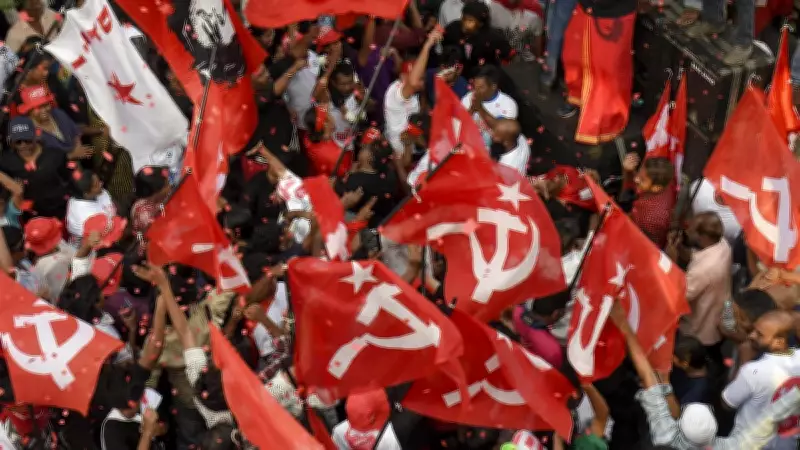
The red flag did not fall. It was lowered, slowly, by the hands that claimed to hold it highest. The Left Front's defeat in the 2026 Kerala Assembly elections was not a sudden event but a gradual decline driven by multiple factors. Here are seven key reasons that led to its downfall.
1. Internal Factionalism
Fierce infighting within the CPI(M) weakened the party's organizational strength. Rival factions prioritized personal agendas over collective goals, leading to a lack of unity and coordination.
2. Anti-Incumbency Fatigue
After five years in power, the government faced widespread anti-incumbency. Unfulfilled promises and perceived corruption eroded public trust, making voters eager for change.

3. Economic Mismanagement
The state's economic slowdown, high unemployment, and fiscal crisis were blamed on the Left's policies. Small businesses and farmers suffered, and the government's response was seen as inadequate.
4. Alienation of Key Support Bases
Traditional supporters, including workers, students, and intellectuals, felt neglected. The party's shift towards centrist policies disappointed its core base, reducing voter turnout.
5. Strong Opposition Campaign
The Congress-led UDF mounted an effective campaign, highlighting the Left's failures and offering a credible alternative. Strategic alliances and targeted messaging swayed undecided voters.
6. Media and Perception Battle
The Left struggled to counter negative media coverage. Social media campaigns by opponents amplified grievances, while the party's communication strategy appeared outdated and reactive.
7. Leadership Crisis
There was a lack of charismatic leadership that could inspire confidence. Senior leaders were seen as disconnected from grassroots realities, and no new faces emerged to rejuvenate the party's image.
These factors combined to create a perfect storm, leading to the Left's historic defeat. The party must introspect and rebuild if it hopes to regain relevance in Kerala politics.