

Jharkhand's Serengsia Battle: A 19th-Century Adivasi Uprising and Its Contested Commemoration
On February 2, Jharkhand Chief Minister Hemant Soren attended a state event to commemorate an iconic act of Adivasi resistance against the East India Company in 1837. This battle, fought at Serengsia valley in present-day West Singhbhum district, saw Adivasi rebels inflict heavy losses on British forces, though they later faced severe repercussions. However, Adivasi activists and researchers from West Singhbhum argue that the date of commemoration, February 2, is historically inaccurate, and they express concerns that the battle is fading from public memory. This article delves into the story of the Serengsia battle, the confusion over its commemoration date, and why precise historical remembrance holds profound significance for the community.
The Socio-Political Context and British Expansion
To grasp the reasons behind the battle, it is essential to understand the socio-political backdrop and the central figures: the Ho Adivasis. The Hos were the original, autonomous inhabitants of the Kolhan region, which includes today's East Singhbhum, West Singhbhum, and Seraikela-Kharsawan districts in Jharkhand. Around 1820-21, Kolhan came under the jurisdiction of the Bengal Presidency. The British, aiming to boost trade with Madras, sought direct control over Adivasi regions like Kolhan to facilitate travel along trade routes. During this period, the British established a camp in Chaibasa, sparking a year-long conflict with the Hos. In 1821, the Adivasis signed a treaty with the British, imposing several suppressive measures:
- Payment of eight annas per plough per year to local Hindu kings and zamindars.
- Permission for people from other communities to reside on Adivasi lands.
- Imposition of Hindi and Oriya languages.
These measures, coupled with incidents like sexual harassment of Adivasi women by non-tribal zamindars, led to another uprising in 1831, known as the Kol uprising, which spread to Ranchi and Hazaribagh. Although somewhat suppressed, resistance persisted. Starting in October 1836, British forces under Captain Thomas Wilkinson captured around 22 pirhs (administrative territories of Hos) and approximately 600 villages, declaring the establishment of the 'Kolhan Estate Government'. Yet, the Kol resistance remained resilient.

The Battle of Serengsia: A Fierce Clash
According to Adivasi activist and researcher Sunny Sinku, the Hos never accepted subordinate status, believing their land was bestowed by Sing-Bonga, their supreme deity. By 1837, Adivasi leaders were organizing secret meetings and fighters against the British. In late November 1837, a sizable British force, including around 400 infantrymen with firelock guns, 60 cavalrymen, and two cannons, supported by 200 fighters from the local Hindu ruler of Saraikela, marched towards Ho villages. This marked the beginning of the Battle of Serengsia.
The Adivasis were led by Poto Ho from Rajabasa village, along with other leaders such as Berai Ho, Punduva Ho, Badai Ho, Nara Ho, Devi Ho, and Sugni Ho. In the narrow Serengsia valley, Ho fighters used traditional weapons like bows and arrows, placed obstacles to hinder cavalry, and positioned themselves on slopes. Damyanti Sinku, a Ho scholar and professor at Ranchi University, describes the battle vividly in her book, noting that British horses lost footing, leading to confusion. Ho fighters attacked from both sides, firing arrows and hurling burning cow dung mixed with ash and chilli powder, causing severe eye irritation. Swarms of bees further disrupted the troops, forcing a British retreat.
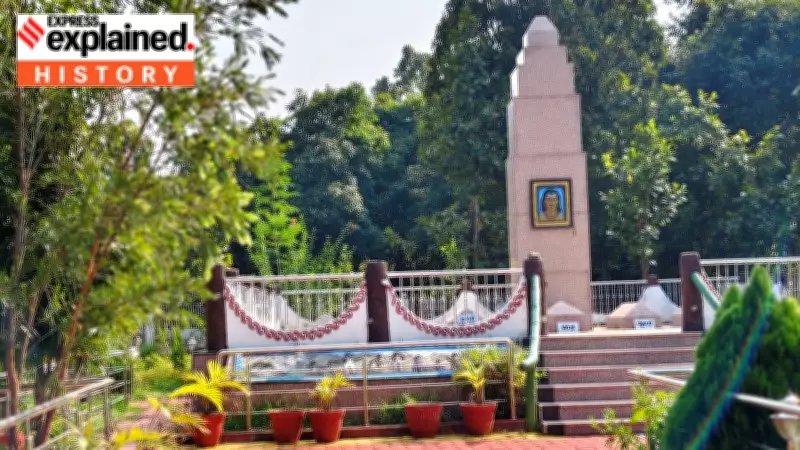
An inscription at the government's Serengsia Valley Shaheed Smarak memorial states that over 100 British soldiers and around 26 Adivasi fighters were killed. However, the victory was short-lived, as British forces retaliated by burning settlements and arresting villagers in Rajabasa and nearby areas.

The Aftermath and Historical Significance
The memorial links the Serengsia resistance to the declaration of Kolhan as Kol state in 1837, which paved the way for self-governance. By December 8, all Ho leaders were arrested, brought to Jagannathpur, and sentenced to death. Poto Ho, Narra Ho, and Berai Ho were publicly hanged on January 1, 1838, followed by Bora Ho and Pandua Ho near Mundasai in Serengsia village the next day. Additionally, 79 other Ho fighters were imprisoned on various charges.
Why Accurate Commemoration Matters to the Community
For Ho activists, January 1 and 2 symbolize the culmination of the Kolhan resistance, marking the days when leaders sacrificed their lives. Sunny Sinku argues that commemorating on February 2 disconnects the event from its historical context, reducing it to a routine political program. The community's demand is not merely for remembrance but for accurate remembrance rooted in documented history and lived memory, ensuring the legacy of the Serengsia battle endures for future generations.





