Schumer's Senate Floor Speech Accuses Trump of Misleading Public on Iran Strike Intelligence
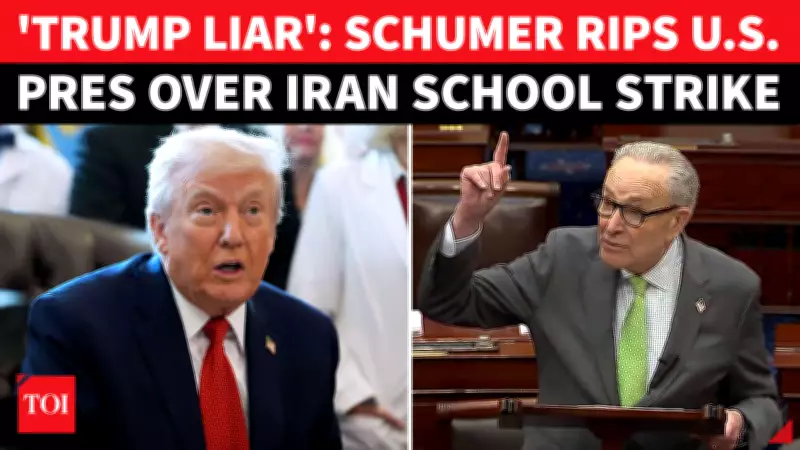
In a dramatic confrontation on the Senate floor, Democratic leader Chuck Schumer has launched a scathing accusation against President Donald Trump, claiming the president misled Americans regarding intelligence tied to a missile strike that hit an all-girls elementary school in Iran during the early stages of the conflict. Schumer's speech, which has rocked the US Senate, directly challenges Trump's assertion that he had no knowledge of such intelligence, creating a significant political firestorm in Washington.
Intelligence Reports Suggest US Military Involvement in School Strike
According to Schumer, preliminary intelligence reports circulating among lawmakers indicate that US military operations may have been involved in the missile strike that targeted the Iranian elementary school. The Senate Democratic leader strongly questioned Trump's public denial of awareness regarding this intelligence, suggesting a troubling disconnect between presidential knowledge and public statements during a time of escalating military tensions.
The confrontation has intensified political divisions in Washington as lawmakers from both parties demand greater clarity and transparency about the circumstances surrounding the strike. The incident has raised serious questions about accountability mechanisms, military oversight protocols, and government transparency during the ongoing conflict with Iran.

Growing Demands for Accountability and Transparency
Schumer's speech has amplified calls from congressional representatives for a thorough investigation into the strike and the intelligence surrounding it. Lawmakers are pressing the administration to provide detailed briefings and documentation that would clarify what was known about the incident and when that information reached decision-makers at the highest levels of government.
The political fallout from Schumer's accusations comes at a particularly sensitive time as the United States navigates an increasingly complex military and diplomatic situation in the Middle East. The strike on the girls' school has drawn international attention and condemnation, making the questions about US involvement and presidential knowledge particularly consequential for both domestic politics and foreign relations.
Broader Implications for US-Iran Conflict and Political Dynamics
This Senate confrontation represents more than just a political dispute between Democratic leadership and the Republican administration. It reflects deeper concerns about how military operations are authorized, monitored, and reported during times of conflict. The questions raised by Schumer touch on fundamental issues of democratic accountability and the proper relationship between executive power and legislative oversight in matters of war and national security.
As the war with Iran continues to escalate, this intelligence controversy has added another layer of complexity to an already volatile geopolitical situation. The demands for clarity and transparency from Congress suggest that oversight of military operations will remain a contentious issue in Washington, potentially affecting both domestic political dynamics and the conduct of the conflict itself.