The Iceberg Model and UPSC Preparation
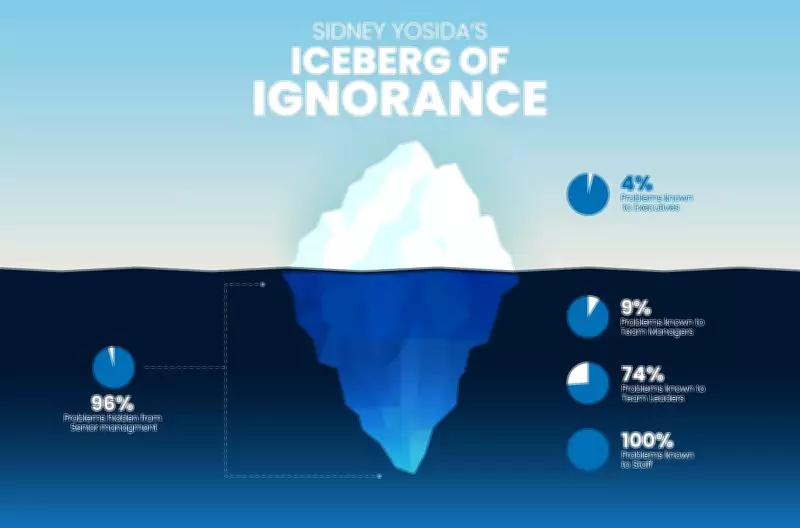
Success in the UPSC examination hinges not merely on mastering the visible syllabus but on confronting the vast, unseen depths of ignorance. The Iceberg of Ignorance concept, which posits that only 4% of problems are visible to executives while the remaining 96% remain hidden beneath the surface among senior management, team leaders, and staff, offers a powerful metaphor for aspirants. According to mentor Ivninder Pal Singh, writing in Tribune News Service, the true challenge lies in what candidates do not even realise they do not know.
What Lies Beneath the Surface
The visible tip of the iceberg represents the explicit syllabus—topics, books, and current affairs that aspirants typically focus on. However, the submerged mass includes implicit skills such as critical thinking, answer writing structure, time management, emotional resilience, and the ability to connect interdisciplinary knowledge. These hidden factors often determine failure or success, yet they are rarely addressed in conventional coaching. Singh emphasises that ignoring these underwater components leads to repeated attempts and frustration.
Strategies to Uncover Hidden Gaps
Aspirants must adopt a systematic approach to identify their personal iceberg. This includes self-assessment through mock tests, peer reviews, and mentorship feedback. For instance, a candidate may score well in factual recall but struggle with analytical depth—a hidden weakness. Singh advises maintaining a reflective journal to track recurring mistakes and patterns. Additionally, group discussions and answer writing practice can surface blind spots that individual study cannot. The goal is to make the invisible visible through deliberate practice and honest evaluation.

The Role of Mentorship and Community
Just as senior management in organisations often misses ground-level realities, solo aspirants may overlook their own blind spots. Engaging with mentors or study groups provides external perspectives that reveal hidden weaknesses. According to Singh, a mentor can help dissect an aspirant's approach, pointing out gaps in logic or presentation that the candidate might never notice alone. This collaborative process accelerates learning and builds the resilience needed to navigate the UPSC journey.
Conclusion: Beyond the Syllabus
Ultimately, UPSC success demands more than memorisation—it requires conquering the iceberg of ignorance. By acknowledging that 96% of the challenge lies beneath the surface, aspirants can shift their focus from mere content coverage to holistic skill development. As Singh concludes, the key is to constantly question what you do not know and to seek feedback relentlessly. Only then can the submerged obstacles be transformed into stepping stones for success.