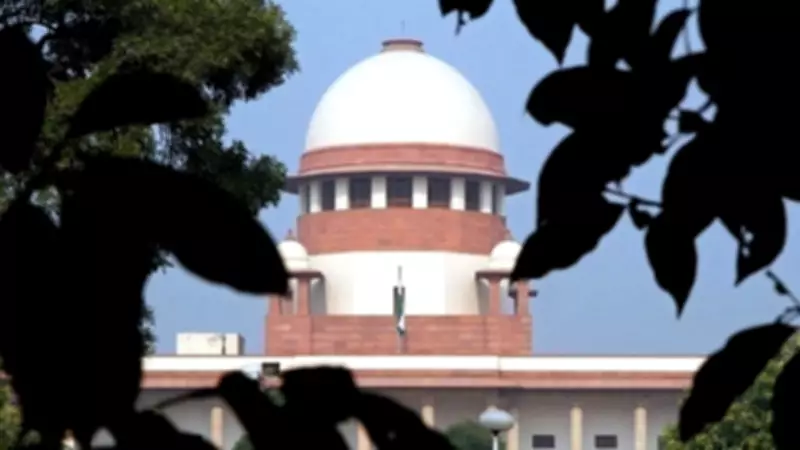
Supreme Court Directs Centre to Respond to Plea for Repatriation of Mortal Remains from Dubai
The Supreme Court of India has taken cognizance of a deeply emotional and urgent plea filed by a grieving mother. The court has formally issued a notice to the central government, seeking its detailed and prompt response regarding the woman's request for assistance in repatriating the mortal remains of her son from Dubai to India. This legal intervention underscores the judiciary's role in addressing humanitarian crises faced by Indian citizens abroad, particularly in matters involving cross-border procedures and consular support.
Details of the Plea and the Petitioner's Anguish
The petitioner, an Indian woman whose identity has been withheld in court documents to protect her privacy, approached the Supreme Court after facing significant bureaucratic hurdles and delays. Her son, a resident of Dubai, passed away recently under circumstances that have not been fully disclosed in the public domain. The mother's plea emphasizes her fundamental right to perform the last rites according to familial and religious traditions, a process that requires the physical presence of the mortal remains in India.
The legal petition highlights several critical challenges: complexities in international documentation, logistical issues related to transportation during global health protocols, and alleged insufficient support from Indian diplomatic missions in the United Arab Emirates. The woman has argued that the delay is causing her immense psychological distress and violating her dignity, as she is unable to achieve closure without conducting the final rituals.

Judicial Proceedings and the Centre's Upcoming Response
A bench of the Supreme Court, comprising justices with expertise in constitutional and humanitarian matters, heard the plea and deemed it necessary to involve the central government. The court has directed the Ministry of External Affairs and other relevant authorities to file a comprehensive affidavit within a stipulated timeframe. This response must outline:
- The current status of the case and any actions already taken by Indian officials in Dubai.
- Detailed procedures and legal frameworks governing the repatriation of mortal remains from the UAE to India.
- Potential obstacles, such as requirements from Emirati authorities or airline regulations, and proposed solutions to expedite the process.
- Measures to provide consular and financial assistance to the petitioner, if applicable under government schemes.
The court's intervention is seen as a proactive step to ensure that citizen welfare is prioritized in foreign policy execution. It also sets a precedent for similar cases where families struggle with international red tape during times of personal loss.
Broader Implications for Non-Resident Indians and Government Accountability
This case brings to light the ongoing issues faced by Non-Resident Indians (NRIs) and their families in emergencies. Repatriation of mortal remains often involves navigating multiple jurisdictions, which can be daunting without institutional support. The Supreme Court's notice to the Centre reinforces the government's duty under Indian law and international norms to protect its citizens abroad, especially in distress situations.
Experts in international relations and human rights law note that such pleas test the efficiency of India's diplomatic machinery and its adherence to protocols established under bilateral agreements with countries like the UAE. The outcome of this case could influence future policy adjustments, aiming to streamline processes and enhance transparency in consular services.
As the central government prepares its response, advocacy groups and the public await clarity on systemic improvements. The Supreme Court has scheduled a follow-up hearing to review the Centre's submission and determine further course of action, potentially including directives to facilitate immediate repatriation if justified.