Supreme Court Voices Exasperation Over Bengal Voter List Petitions
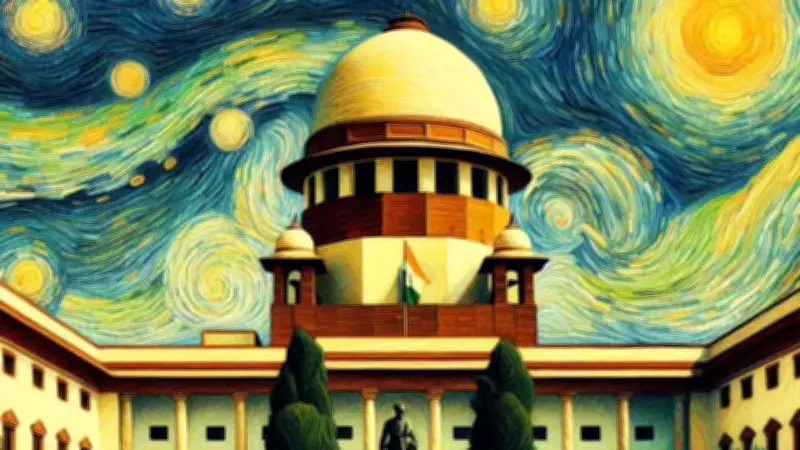
The Supreme Court of India has found itself repeatedly addressing petitions related to West Bengal's ongoing Summary Revision (SIR) of electoral rolls, leading to visible frustration among the justices. This comes just days after the court criticized the state government for frequently approaching it with what it termed "vague and irrelevant" reasons to delay the poll roll scrutiny process.
Bench Questions Court's Case Load
Hearing petitions from individuals complaining about the deletion of their names from voter lists, a bench comprising Chief Justice Surya Kant and Justice Joymalya Bagchi expressed exasperation. "Does the SC have nothing except WB SIR to hear?" the bench questioned, highlighting the repetitive nature of these cases.
Senior advocate Menaka Guruswamy, who recently received a nomination as a TMC candidate for Rajya Sabha and has been vocal about alleged unfair deletions during the SIR process, represented the petitioners. She informed the court that there exists no appeal provision against the deletion of names from voter lists, leaving many citizens without legal recourse.

Judicial Officers' Role in Scrutiny Process
For the task of examining documents submitted by approximately 50 lakh voters under 'logical discrepancy' and 'unmapped' categories, the Supreme Court had previously ordered the deployment of judicial officers from poll-bound West Bengal, as well as Jharkhand and Odisha. This directive aimed to expedite the SIR process through judicial oversight.
Guruswamy argued that despite submitting all requisite documents, her clients' claims had been rejected. "Their names had figured in the previous voter lists and they had voted," she stated. She further explained that under the Representation of the People Act, individuals whose names are deleted possess a right to appeal against orders from electoral registration officers (EROs).
"But that is not available to the voters whose claims are rejected as the judicial officers had carried out the scrutiny," Guruswamy clarified, pleading for urgent listing of these petitions for detailed hearing.
Court's Stance on Bureaucratic Appeals
The bench responded firmly to this argument, stating, "How can we allow bureaucrats (who are deputed to Election Commission to perform the task of EROs) to sit in appeal over the orders passed by our judicial officers? We cannot allow this." Despite this position, the bench agreed to take up these petitions alongside matters relating to West Bengal's SIR on Tuesday.
Previous Warning to State Government
On February 27, the court had advised senior advocate Kapil Sibal, appearing for the state government, to counsel West Bengal against frequent approaches to the Supreme Court. The state had objected to the Election Commission providing training to judicial officers involved in the SIR process.
"Please do not come to the court with vague reasons and try to delay the process. Every day there cannot be an irrelevant reason here and there. There must be an end to it," the court had stated. It reminded the state that the judiciary had "gone beyond our mandate" by using exclusive powers under Article 142 to direct deployment of judicial officers for a task essentially within the Election Commission's domain.
"You are making unnecessary complaints," the bench had added, expressing clear frustration with what it perceived as obstructionist tactics.
Additional Citizenship Act Petitions
In a related development, another group of petitioners seeking citizenship under the Citizenship (Amendment) Act also approached the court. These individuals, who qualify for citizenship as members of persecuted minority communities from neighboring countries who entered India before December 31, 2014, claimed their petitions are pending in the Supreme Court and they are being prevented from becoming voters in West Bengal.
The Supreme Court directed that these petitions too be listed alongside the Bengal SIR pleas, further expanding the scope of electoral matters before the bench.
The court's mounting frustration underscores the complex legal and administrative challenges surrounding West Bengal's electoral roll revision, with multiple stakeholders seeking judicial intervention in a process that has become increasingly contentious.