Supreme Court Draws Firm Line in Bengal Voter Deletion Controversy
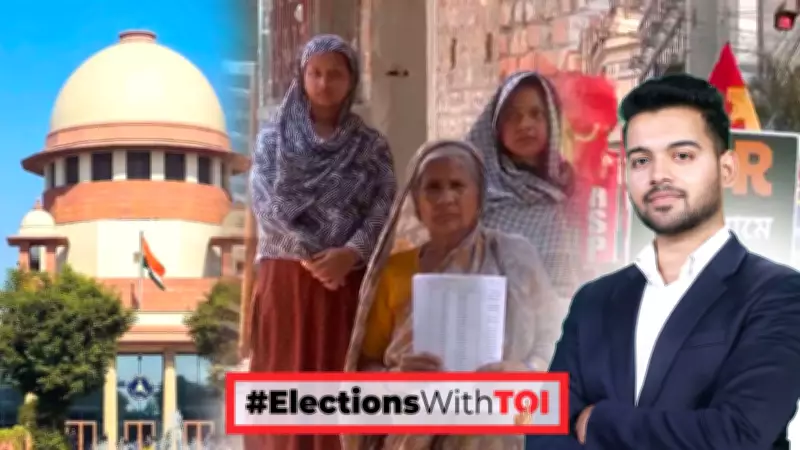
The Supreme Court of India has taken a definitive and resolute stance in the ongoing voter deletion controversy in West Bengal, firmly declining to entertain a plea that sought immediate relief for individuals whose names have been removed from the electoral rolls. In a significant ruling delivered on April 13, 2026, the apex court characterized the petition as premature and explicitly directed affected voters to seek redress through the established appellate tribunals instead.
Scale of the Issue and Judicial Reasoning
The magnitude of this electoral imbroglio is staggering, with reports indicating that nearly 90 lakh (9 million) names have been deleted from the voter lists in Bengal. Compounding this, over 34 lakh (3.4 million) appeals are currently pending before various tribunals, creating an unprecedented administrative and judicial backlog. While the Supreme Court unequivocally acknowledged the fundamental importance of voting rights, it emphasized a critical constitutional principle: the election process itself cannot be halted or disrupted.
The bench provided crucial clarification on the legal standard for challenging election outcomes. It stated that poll results would only be subject to question if it could be demonstrated that the exclusion of voters had a material and substantive effect on the final outcome. This ruling underscores the judiciary's intent to maintain a delicate equilibrium between ensuring due process for citizens and respecting the sanctity and fixed timelines of the electoral calendar.

The Path Forward and Lingering Questions
With the dates for the Bengal elections fast approaching, the spotlight now intensifies on the appellate tribunals. These bodies are tasked with the herculean responsibility of adjudicating a massive caseload within a compressed timeframe. The court's decision effectively transfers the immediate onus of justice onto these tribunals, raising pressing logistical and procedural concerns.
The central and unresolved question that emerges from this ruling is profound: Can justice be delivered in time? There is a palpable risk that thousands, if not lakhs, of voters may find themselves effectively disenfranchised if the tribunal system is unable to process appeals swiftly before citizens cast their ballots. This scenario places the entire mechanism under severe stress and public scrutiny.
This judicial intervention highlights several key aspects of India's electoral democracy:
- The primacy of established legal channels over extraordinary judicial intervention.
- The inherent tension between individual voter rights and the smooth conduct of elections.
- The immense pressure on election dispute resolution bodies during high-stakes polls.
The Supreme Court's ruling is not merely a procedural directive; it is a statement on the balance of powers and the limits of judicial intervention in the electoral arena. As Bengal moves closer to a pivotal election, the efficiency and fairness of the appellate tribunal process will be critically tested, determining whether a vast number of citizens can exercise their franchise or remain unheard in a crucial democratic exercise.