Sanjay Raut Asserts India Has Lost Global Standing in West Asia Conflict
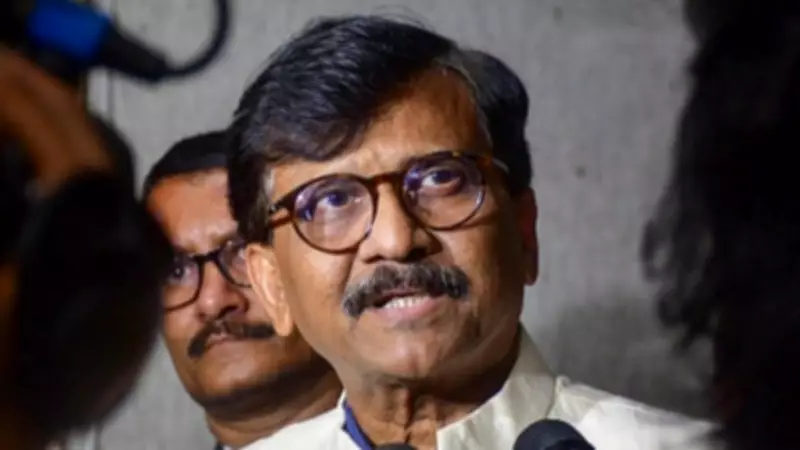
Rajya Sabha MP Sanjay Raut has made a striking claim that India has completely lost its existence amid the ongoing West Asia conflict. In a sharp critique, he slammed Prime Minister Narendra Modi's perceived silence on the matter, arguing that it reflects a broader failure in India's foreign policy approach.
Raut Accuses US and Israel of Global Bullying
Raut further elaborated that the United States of America and Israel are acting like global bullies in the region. He contrasted this with what he described as the disappointing behavior of big countries like India. According to the MP, nations that until recently were boasting of their bravery and independence are now acting merely as agents of these bullies, undermining their own sovereignty and international reputation.
The Rajya Sabha member's comments come amid escalating tensions in West Asia, where conflicts have drawn in various global powers. Raut's statement highlights a growing concern among some political figures about India's stance and its implications for the country's diplomatic influence.

Criticism of Modi Government's Foreign Policy
Raut specifically targeted the Modi administration, accusing it of maintaining a conspicuous silence on critical international issues. He suggested that this silence is not just a passive stance but an active complicity that erodes India's historical position as a leader in global affairs. The MP's remarks point to a perceived shift where India, once a vocal advocate for peace and justice, is now seen as aligning too closely with powerful nations at the expense of its principles.
This criticism adds to ongoing debates about India's role in international conflicts, particularly in regions like West Asia where geopolitical interests are complex. Raut's perspective underscores a faction within Indian politics that advocates for a more assertive and independent foreign policy, free from what they view as undue influence by countries like the US and Israel.
The timing of these comments, as reported on March 8, 2026, suggests they may be part of broader political discourse ahead of potential elections or policy reviews. Observers note that such statements could influence public opinion and parliamentary discussions on India's engagement with global conflicts.