Rajya Sabha Elections 2026: Voting Concludes for 37 Seats Across 10 States
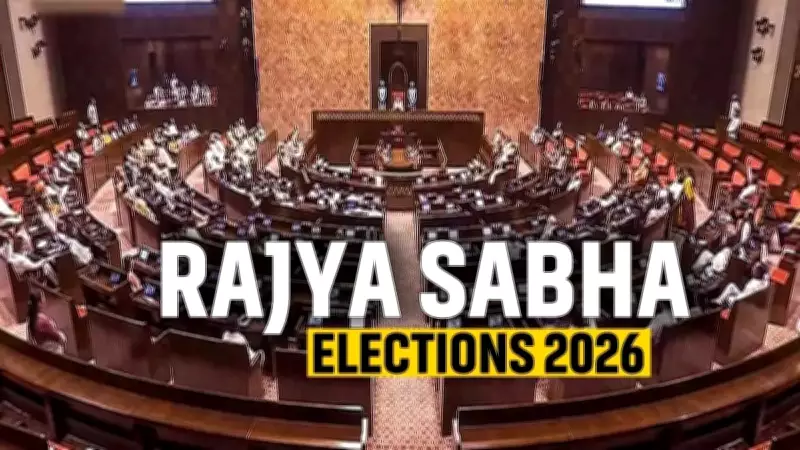
The highly anticipated Rajya Sabha elections for the year 2026 have officially concluded, with voting taking place for a total of 37 seats spread across 10 key states in India. This significant electoral process has drawn intense attention from political observers and the public alike, as the outcomes are poised to reshape the composition of the Upper House of Parliament.
Key States and Seats in Focus
The elections covered a diverse range of states, including Bihar, Haryana, Odisha, and several others, each contributing to the overall tally of 37 seats. These states represent crucial battlegrounds where major political alliances and parties have deployed their strategies to secure representation in the Rajya Sabha.
In Bihar, the political landscape was particularly dynamic, with prominent leaders such as Nitish Kumar and Nitin Nabin playing pivotal roles. The state's elections were closely watched due to the involvement of key parties like the Janata Dal (United) or JD(U) and the Rashtriya Janata Dal or RJD, which have significant influence in regional politics.

Major Political Alliances and Parties Involved
The elections saw active participation from a wide array of political entities, including the National Democratic Alliance or NDA, the Bharatiya Janata Party or BJP, the Indian National Congress, the Trinamool Congress or TMC, and others. Each alliance and party contested vigorously, aiming to bolster their numbers in the Rajya Sabha, which plays a critical role in legislative processes and policy-making at the national level.
Notably, the NDA, led by the BJP, sought to maintain or expand its dominance, while opposition parties like the Congress and TMC worked to challenge this and secure seats that could enhance their legislative leverage. The results from these elections are expected to have far-reaching implications for upcoming parliamentary sessions and political dynamics across India.
Voting Process and Anticipated Results
Voting was conducted smoothly across the designated polling stations in the 10 states, with electoral officials ensuring adherence to protocols and transparency. As the ballots are now being counted, political analysts and media outlets are closely monitoring the developments, with live updates providing real-time insights into the emerging trends and potential outcomes.
The focus remains on key constituencies where tight races were predicted, and the final results will determine the distribution of seats among the competing parties and alliances. Stakeholders, including voters and political leaders, are eagerly awaiting the official announcements, which will clarify the new composition of the Rajya Sabha and set the stage for future political engagements.
Implications for National Politics
This round of Rajya Sabha elections is not just about filling seats; it represents a strategic maneuver in the broader context of Indian politics. The results will influence legislative agendas, coalition-building efforts, and the balance of power between the ruling party and the opposition. As such, the outcomes are likely to resonate beyond the immediate electoral cycle, impacting governance and policy decisions in the coming years.
With all eyes now on the result declarations, the political landscape in India stands at a pivotal juncture, ready to adapt to the shifts brought about by these crucial elections.