Rajya Sabha Approves CAPF (General Administration) Bill 2026 Amid Opposition Protests
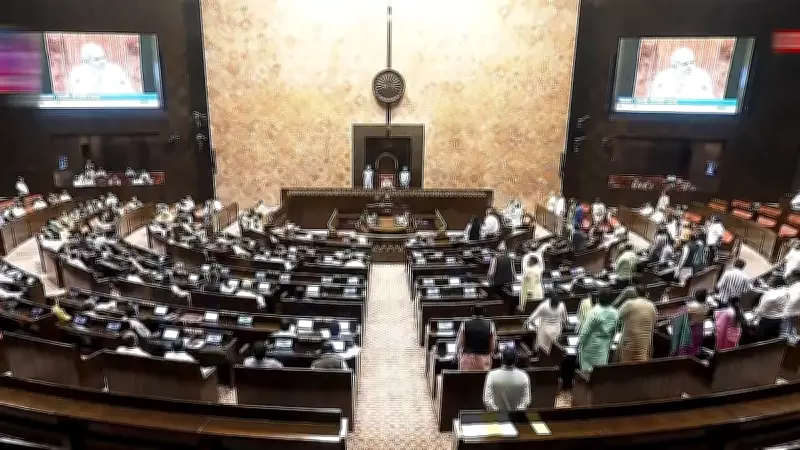
The Rajya Sabha has passed the Central Armed Police Forces (General Administration) Bill 2026, a significant legislative move that has sparked controversy and opposition protests. The bill, which was approved on April 1, 2026, introduces major changes to the appointment structure within India's paramilitary forces, including the Central Reserve Police Force (CRPF), Border Security Force (BSF), and others.
Key Provisions of the CAPF Bill 2026
According to the newly passed legislation, 50% of Inspector General (IG) positions in the paramilitary forces will now be filled through the deputation of Indian Police Service (IPS) officers. Additionally, 67% of Additional Director General (ADG) posts will also be reserved for IPS officers on deputation. This marks a substantial shift in the administrative framework of these forces.
Furthermore, the bill specifies that all posts in the ranks of Special Director General (SDG) and Director General (DG) shall be filled exclusively by deputation. This means that these top-tier leadership positions will no longer be open to internal promotions from within the paramilitary forces, ensuring that only IPS officers can occupy these roles.

Opposition Protests and Political Reactions
The passage of the bill was met with strong resistance from opposition parties, who staged protests in the Rajya Sabha. Critics argue that this move undermines the career progression of officers within the paramilitary forces and could demoralize personnel who have dedicated their careers to these organizations.
Supporters of the bill, however, contend that it will bring greater professionalism and standardization to the leadership of paramilitary forces by integrating them more closely with the IPS framework. The ruling Bharatiya Janata Party (BJP) has defended the legislation as a necessary step for administrative efficiency and national security.
Implications for Paramilitary Forces
The implementation of the CAPF (General Administration) Bill 2026 is expected to have far-reaching consequences:
- Enhanced Integration: By mandating IPS deputation for key positions, the bill aims to foster better coordination between state police forces and central paramilitary units.
- Career Impact: Internal officers within paramilitary forces may face limited opportunities for advancement to senior ranks, potentially affecting morale and retention.
- Administrative Overhaul: The changes will require significant adjustments in recruitment, training, and promotion policies across all paramilitary forces.
As the bill moves forward for further legislative processes, including potential review by the Lok Sabha, it continues to be a focal point of debate in Indian politics. The outcome could set a precedent for future reforms in India's security and administrative sectors.