Rahul Gandhi Accuses Government of Attempted Power Grab Through Delimitation Legislation
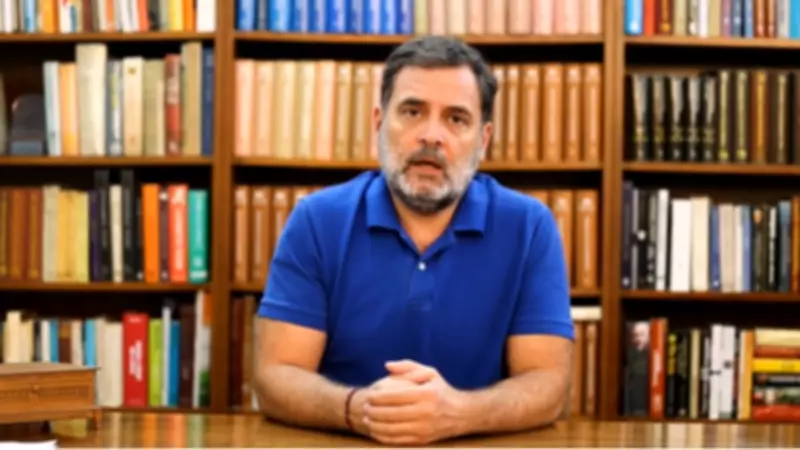
In a significant political development, Lok Sabha Leader of Opposition Rahul Gandhi launched a sharp critique against the Central government on Wednesday, alleging that the proposed delimitation bill represents a calculated attempt to consolidate power. Gandhi specifically targeted the Bharatiya Janata Party-led administration, accusing it of what he termed "hissa chori"—theft of share—from Other Backward Classes, Dalit, and Adivasi communities, alongside southern and other regional populations.
Clarifying Congress Position on Women's Reservation
Addressing the contentious issue of women's political representation, Gandhi provided unequivocal clarification regarding his party's stance. "The Congress party unequivocally supports Women's Reservation," he declared emphatically. He reminded the public that Parliament had already passed the Nari Shakti Vandan Adhiniyam in 2023, making women's reservation an established constitutional provision.
"What the government is proposing now has nothing to do with women's reservation," Gandhi asserted, drawing a clear distinction between the existing legislation and the current proposals. "This amendment is an attempted power grab using delimitation and gerrymandering techniques to manipulate electoral boundaries for political advantage."

Opposition to Proposed Lok Sabha Expansion
The opposition leader specifically criticized the reported government proposal to increase Lok Sabha strength from the current 543 seats to approximately 850 seats. According to sources, this expansion would include 815 seats for states and 35 for Union Territories. Gandhi framed this proposed expansion as fundamentally unfair to multiple constituencies.
"We will not allow 'Hissa Chori' from OBC, Dalit and Adivasi communities by ignoring the caste census data," Gandhi stated with determination. "We will also not allow Southern, North Eastern, North Western and smaller states to be treated unfairly in this redistricting process."Current Status of Women's Reservation Legislation
The Nari Shakti Vandan Adhiniyam, 2023, which guarantees 33 percent reservation for women in legislative bodies, currently remains linked to the delimitation exercise in the Lok Sabha. This connection has created implementation challenges that the government now seeks to address through proposed amendments.
Government sources indicate plans to implement women's reservation ahead of the 2029 General Elections by amending the 2023 Act and introducing a constitutional amendment to separate delimitation from the 2027 census. This strategic decoupling would theoretically allow for earlier implementation of women's reservation while addressing the broader redistricting concerns separately.
Political Implications and Constitutional Considerations
The delimitation debate touches upon several critical constitutional and political dimensions:
- Representational Equity: How seat redistribution affects different states and communities
- Implementation Timeline: The connection between women's reservation and census data
- Electoral Geography: Potential boundary changes through gerrymandering
- Regional Balance: Concerns about southern and smaller states losing influence
Gandhi's statements reflect broader opposition concerns about the timing and methodology of the proposed changes. The accusation of "power grab" suggests that opposition parties view the delimitation exercise as potentially altering the political landscape in ways that could advantage the ruling party in future elections.
As constitutional amendments require substantial parliamentary support, the government's ability to proceed with these changes will depend on building consensus or securing sufficient votes. The opposition's vocal criticism indicates that this legislative process may face significant political hurdles in the coming parliamentary sessions.