Rahul Gandhi's Fiery Lok Sabha Speech Targets Modi Government Over US Trade Deal
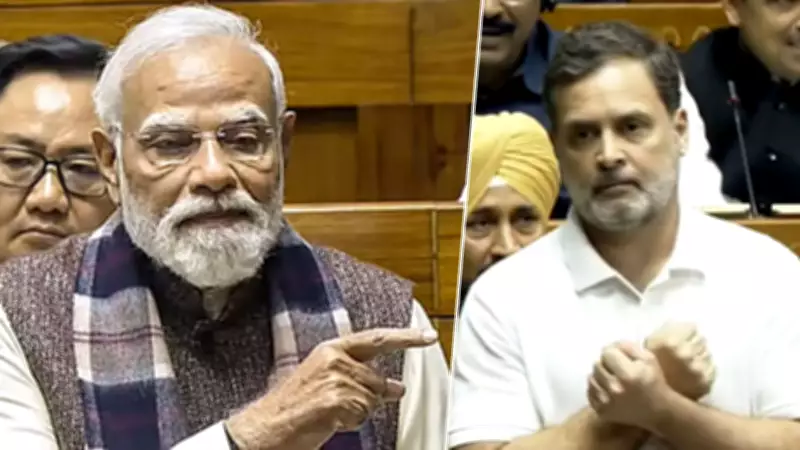
In a dramatic intervention during the Union Budget debate in the Lok Sabha, Leader of Opposition Rahul Gandhi delivered a blistering critique of the government's handling of the India-United States trade agreement. The Congress leader leveled serious allegations against Prime Minister Narendra Modi, claiming the administration had effectively "sold India" and "Bharat Mata" in the negotiations.
"They Have Got a Grip on His Neck": Gandhi's Direct Attack on PM Modi
Rahul Gandhi did not mince words as he described what he perceived as the Prime Minister's compromised position. "They have got a grip on his neck," Gandhi asserted, suggesting that external pressure was dictating India's trade policy. He went further, stating that fear was clearly visible in the Prime Minister's eyes during discussions about the agreement.
The opposition leader emphasized that India must engage with the United States strictly "as equals," rejecting any perception of subservience in international relations. This message was particularly directed at former US President Donald Trump, with Gandhi making it clear that India is "not your servant" when it comes to diplomatic and economic negotiations.

Strategic Concerns: Data, Energy Security, and Farmer Interests
Gandhi raised multiple substantive concerns about the trade deal's implications for India's strategic interests. He highlighted that in the ongoing US-China rivalry, Indian data represents a crucial strategic asset that plays a vital role in protecting the American dollar's global position.
Referring to the Economic Survey, Gandhi noted that the world is transitioning from a period of stability to one marked by increasing instability, making India's strategic autonomy even more critical. He specifically called for stronger safeguards for:
- Energy security to protect national interests
- Farmers' livelihoods against potential trade disadvantages
- Digital sovereignty through data localization requirements
Questioning Key Provisions of the Trade Agreement
The Congress leader raised pointed questions about several specific aspects of the trade deal that he believes compromise India's interests:
- Digital trade regulations that might undermine domestic control
- Data localization requirements being potentially weakened
- Taxation limits that could restrict fiscal policy options
- Source code disclosure provisions affecting technological sovereignty
Gandhi's speech represents one of the most direct confrontations between the opposition and government on foreign policy and trade matters in recent parliamentary sessions. His allegations of "selling Bharat Mata" and acting under external pressure mark a significant escalation in political rhetoric surrounding India's international economic engagements.