

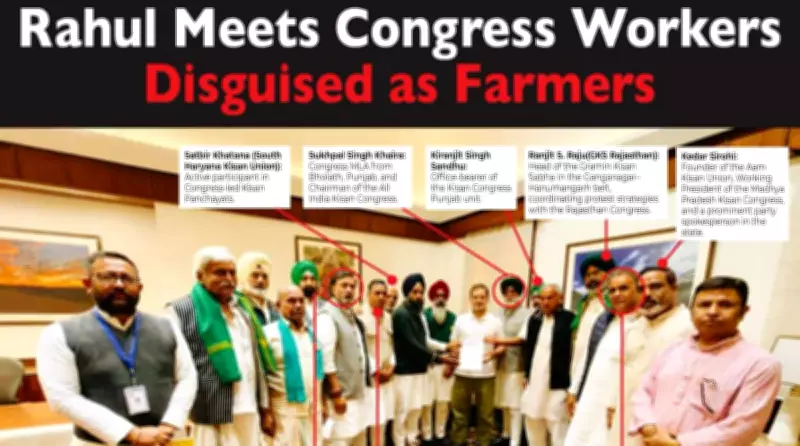
Rahul Gandhi Engages with Farmers on India-US Trade Deal Concerns
Congress leader Rahul Gandhi held a meeting with farmers on February 14, 2026, to address their apprehensions regarding the ongoing negotiations for an India-US trade deal. The gathering, which took place in a rural setting, focused on the potential impacts of the trade agreement on agricultural sectors, including issues related to market access, subsidies, and crop prices.
Farmers Express Fears Over Trade Deal Implications
During the meeting, farmers voiced their concerns that the trade deal could lead to increased competition from US agricultural imports, potentially threatening their livelihoods. They highlighted worries about the liberalization of tariffs and the enforcement of intellectual property rights that might affect seed varieties and farming practices. Rahul Gandhi listened to their grievances and assured them of his support in advocating for protective measures in the trade negotiations.
BJP Labels the Meeting as Stage-Managed and Baseless
In response, the Bharatiya Janata Party (BJP) criticized the event, calling it a stage-managed political stunt designed to mislead the public. BJP spokespersons argued that the meeting was baseless and aimed at creating unnecessary fear among farmers without substantive evidence of harm from the trade deal. They accused the Congress party of using farmers as pawns in a broader political agenda to undermine government efforts in securing beneficial international agreements.

Political Tensions Escalate Over Agricultural Policies
The incident has intensified the ongoing political debate over agricultural policies and trade deals in India. The Congress party has positioned itself as a defender of farmers' interests, while the BJP emphasizes the economic benefits of the India-US trade deal, including potential growth in exports and job creation. This clash reflects deeper ideological divides on globalization and domestic protectionism in the country's political landscape.
Background on India-US Trade Negotiations
The India-US trade deal has been under negotiation for several years, with discussions covering various sectors such as agriculture, technology, and manufacturing. Key sticking points include tariff reductions, market access for goods and services, and regulatory standards. The deal is seen as a strategic move to strengthen bilateral ties and boost economic cooperation between the two nations, but it has faced opposition from various domestic groups, including farmers and labor unions.
Implications for Future Trade Policies
This meeting and the subsequent political fallout highlight the sensitive nature of trade agreements in India, where agricultural interests often play a pivotal role in policy decisions. As negotiations continue, the government may face increased pressure to balance international commitments with domestic concerns, potentially leading to revisions in the trade deal's terms to address farmer welfare.
Overall, the event underscores the ongoing struggle between political parties to shape public perception on economic issues, with farmers emerging as a key constituency in the debate over India's trade future.






