Rahul Gandhi Accuses Political Malice in Defamation Case; UP Court Schedules Next Hearing for March 9
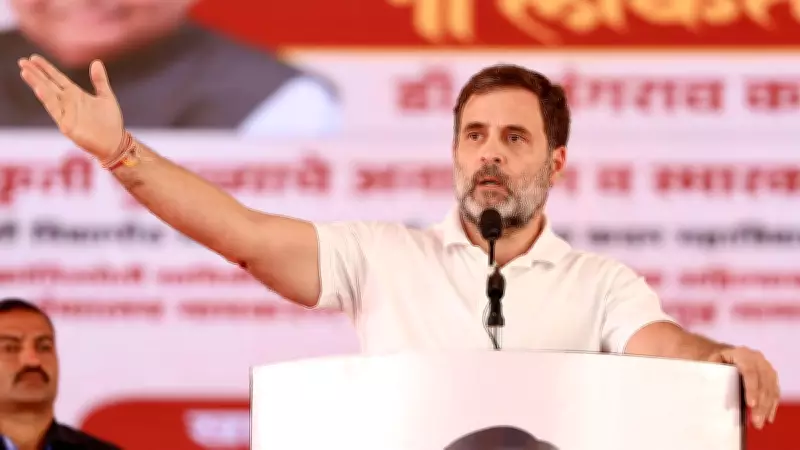
Congress leader Rahul Gandhi has publicly alleged that a defamation case filed against him is driven by political malice, marking a significant development in the ongoing legal proceedings. The case, which has garnered national attention, saw Gandhi appear at the Sultanpur court in Uttar Pradesh on February 20, 2026, where he recorded his statements and addressed the allegations.
Court Proceedings and Gandhi's Allegations
Rahul Gandhi arrived at the Sultanpur court premises at approximately 10:40 am, as per reports from PTI. He spent around 35 minutes inside the court, leaving by 11:15 am after completing the necessary legal formalities. During this time, he formally recorded his statements in response to the defamation charges, which he claims are baseless and motivated by political vendetta.
In a strong statement, Gandhi asserted that the case was initiated not on merit but out of political malice, suggesting it is part of a broader pattern to target opposition figures. This accusation adds a layer of political tension to the legal battle, with implications for the upcoming electoral landscape.

Next Hearing Date Set by UP Court
The court in Sultanpur has fixed March 9, 2026, as the next date for hearing in this defamation case. This scheduling allows both parties time to prepare further arguments and evidence, potentially setting the stage for a protracted legal confrontation. The case is being closely monitored by political analysts and legal experts, given its potential impact on Gandhi's political career and the broader dynamics of Indian politics.
Legal experts note that defamation cases in India can carry significant penalties, including fines and imprisonment, making this a high-stakes situation for the Congress leader. The timing of the case, amid ongoing political campaigns, has sparked debates about the intersection of law and politics in the country.
Broader Political Context and Reactions
The defamation case against Rahul Gandhi comes at a time when political rivalries are intensifying, with key figures like Amit Shah also involved in related discussions. Gandhi's allegations of political malice resonate with his party's narrative of being unfairly targeted by ruling factions, a claim that has been a recurring theme in recent political discourse.
Public and media reactions have been mixed, with some viewing the case as a legitimate legal matter and others seeing it as a politically motivated move. The court's decision to set the next hearing for March 9 will allow for further developments, potentially influencing public opinion and political strategies in the lead-up to future elections.
As the case progresses, all eyes will be on the Sultanpur court for updates, with Rahul Gandhi expected to continue defending his position against what he describes as malicious intent. The outcome could have far-reaching consequences for defamation law and political accountability in India.