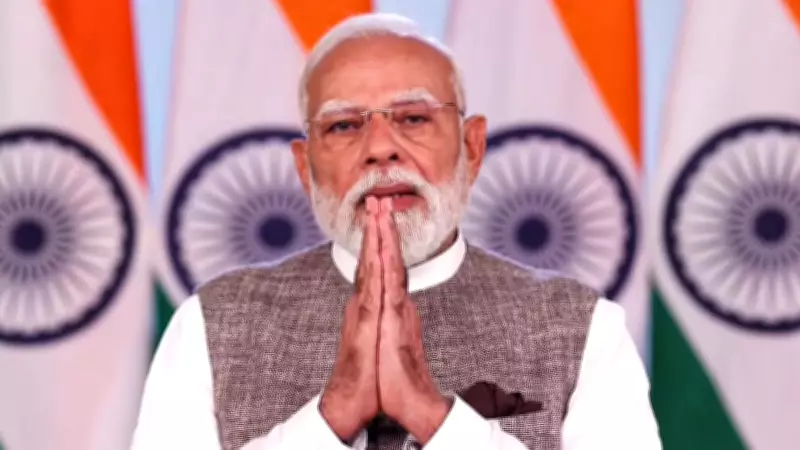
Blurring Lines: The Politicization of the Prime Minister's National Address
In a recent editorial, concerns have been raised about the increasing trend of using national platforms for partisan political targeting, specifically highlighting the Prime Minister's address. The piece argues that such actions blur the essential lines between governance and politics, prioritizing short-term political gain over the long-standing propriety expected of high office.
The Core Issue: National Platform as a Political Arena
The editorial points out that when a Prime Minister utilizes a national address—a platform traditionally reserved for unifying messages, policy announcements, or addressing crises—to directly target the Opposition, it represents a significant shift in political conduct. This practice, according to the analysis, transforms what should be a statesmanlike forum into a battleground for electoral politics.
Key arguments presented include:

- The erosion of democratic norms when the highest office is used for partisan attacks.
- The potential diversion from pressing national issues that require bipartisan attention.
- The setting of a precedent that could normalize such behavior in future administrations.
Prioritizing Political Gain Over Propriety
The editorial emphasizes that propriety in office demands a certain decorum and focus on governance rather than political maneuvering. By targeting the Opposition in a national address, the Prime Minister is seen as placing political strategy above the dignified conduct associated with the position. This, the piece suggests, undermines public trust and the non-partisan stature of the office.
"Using a national platform to settle political scores not only diminishes the office but also risks alienating citizens who expect leadership focused on collective progress," the editorial notes, reflecting on the broader implications for Indian democracy.
Broader Implications for Indian Politics
This trend is analyzed within the context of Indian politics, where the lines between government actions and party politics have often been contentious. The editorial calls for a reevaluation of such practices to preserve the integrity of democratic institutions. It suggests that maintaining a clear distinction between governance and political campaigning is crucial for a healthy democracy.
In conclusion, the editorial urges a return to propriety, where national addresses are reserved for unifying and substantive discussions, rather than being co-opted for partisan advantage. This, it argues, is essential for upholding the democratic values that form the foundation of India's political system.