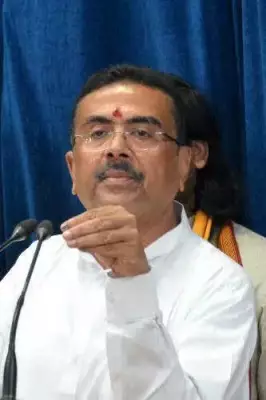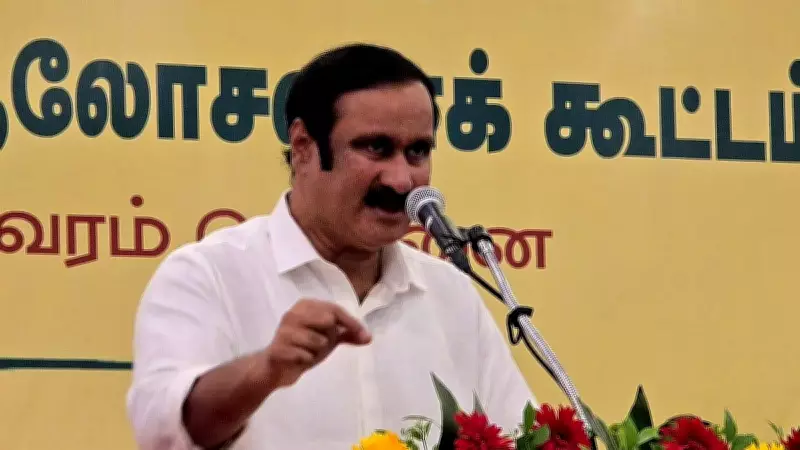
PMK leader has urged Tamil Nadu Chief Minister C. Joseph Vijay to remove the clause demanding a new tribunal from the House resolution on the Mekedatu dam project before forwarding it to the Union Government. The party opposes the formation of a new tribunal, citing potential delays and complications in the long-standing water dispute between Tamil Nadu and Karnataka.
Background of the Mekedatu Dispute
The Mekedatu dam project, proposed by Karnataka on the Cauvery River, has been a contentious issue between the two states. Tamil Nadu has consistently opposed the project, arguing that it would affect its water rights and existing irrigation needs. The state government recently passed a resolution in the Assembly demanding the constitution of a new tribunal to adjudicate the matter, a move that has drawn criticism from the PMK.
PMK founder S. Ramadoss and other party leaders have expressed concerns that a new tribunal could prolong the dispute and undermine previous judicial rulings, including those of the Cauvery Water Disputes Tribunal and the Supreme Court. They argue that existing mechanisms should be utilized instead.

PMK's Stand and Urgency
In a statement, the PMK leader said, 'The demand for a new tribunal is unnecessary and will only delay justice for Tamil Nadu farmers. We urge the Chief Minister to withdraw this clause from the resolution and instead pursue stronger legal action through the existing framework.' The party has warned that continuing with the demand could weaken Tamil Nadu's position.
According to sources, the PMK has also called for a united front among political parties in the state to oppose the Mekedatu project. The party's opposition comes amid growing tensions, with Karnataka pushing ahead with preparatory works for the dam.
Impact on Tamil Nadu's Water Security
Water experts estimate that the Mekedatu reservoir could store up to 67 thousand million cubic feet (TMC) of water, potentially reducing Tamil Nadu's share during critical periods. Farmers in the Cauvery delta region have voiced concerns about the impact on their livelihoods. The PMK's stance aligns with these concerns, emphasizing the need for immediate and decisive action without procedural delays.
The Tamil Nadu government is yet to respond to the PMK's demand. The resolution is expected to be sent to the Union Government shortly, and the PMK's opposition adds a new dimension to the ongoing debate.