

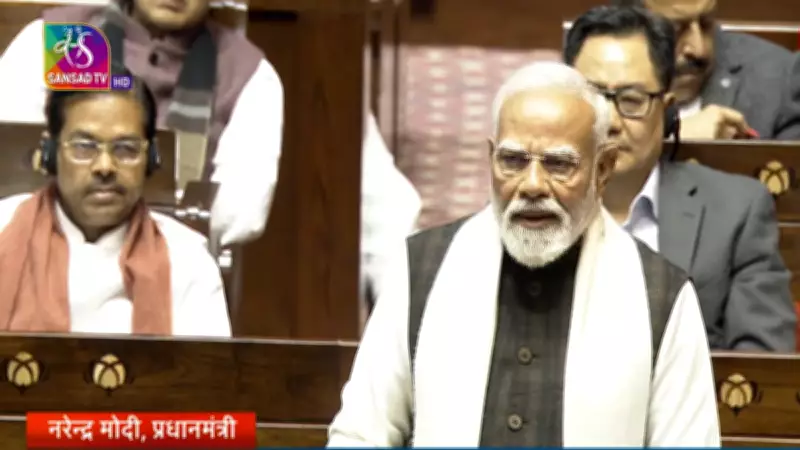
PM Modi Condemns Rahul Gandhi's 'Traitor' Remark in Parliament
Prime Minister Narendra Modi delivered a sharp rebuke in the Rajya Sabha on Wednesday, targeting Congress leader Rahul Gandhi for his controversial comment labeling BJP MP Ravneet Singh Bittu as a 'traitor'. The incident, which occurred within the Parliament House complex, has ignited a fierce political row, with the Prime Minister accusing the opposition of resorting to personal attacks and undermining parliamentary decorum.
Heated Exchange in the Upper House
During his speech, PM Modi expressed deep disappointment over the use of such language by a senior opposition figure. He emphasized that such remarks not only disrespect the dignity of Parliament but also set a dangerous precedent for political discourse in the country. The Prime Minister asserted that elected representatives should engage in constructive debates based on policies and issues, rather than indulging in name-calling and character assassination.
Context of the Controversy
The controversy stems from Rahul Gandhi's alleged remark directed at Ravneet Singh Bittu, a BJP Member of Parliament and Minister of State. While the exact context of the exchange remains under scrutiny, sources indicate it may have been related to ongoing political tensions or legislative discussions. Bittu, known for his vocal stance on various issues, has been a prominent figure in recent parliamentary sessions, often clashing with opposition members over policy matters.

Political Reactions and Implications
The incident has drawn swift reactions from across the political spectrum. BJP leaders have rallied behind PM Modi, condemning Rahul Gandhi's comment as unbecoming of a national leader and demanding an apology. In contrast, Congress supporters have defended Gandhi, arguing that his remark was taken out of context or was a response to provocation. This episode highlights the escalating tensions between the ruling party and the opposition, potentially impacting upcoming parliamentary proceedings and public perception.
Analysts suggest that such exchanges could further polarize the political environment, making bipartisan cooperation on critical national issues more challenging. The Prime Minister's strong condemnation underscores the government's commitment to maintaining parliamentary propriety, even as opposition parties accuse the BJP of stifling dissent.
Broader Impact on Indian Politics
This incident is not an isolated one but part of a pattern of heated rhetoric in Indian politics. It raises questions about the state of political discourse and the need for greater civility among lawmakers. As the nation watches, the fallout from this controversy may influence voter sentiment and shape political strategies in the lead-up to future elections. The emphasis on respectful dialogue, as championed by PM Modi, remains a key point of contention in the ongoing debate over India's democratic norms.






