PM Modi Convenes High-Level Security Meeting Amid West Asia Conflict
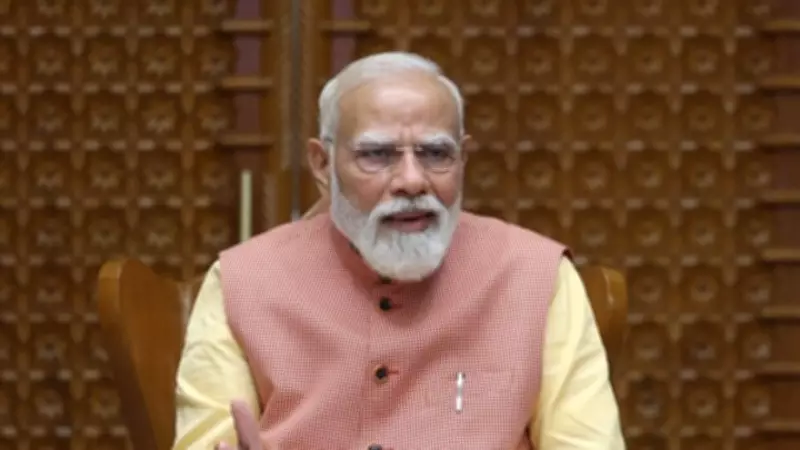
Prime Minister Narendra Modi chaired a critical meeting of the Cabinet Committee on Security (CCS) on Tuesday, April 1, 2026, as tensions escalate in the West Asia region. The high-stakes session was convened to formulate India's strategic response and assess the implications of the ongoing conflict involving key nations.
Key Ministers in Attendance
The meeting saw the participation of India's most senior cabinet ministers, reflecting the gravity of the situation. Defence Minister Rajnath Singh, Home Minister Amit Shah, Finance Minister Nirmala Sitharaman, and External Affairs Minister S. Jaishankar were all present for the deliberations.
This gathering represents a unified front of India's top security and economic leadership, coming together to address potential threats to national interests and regional stability.

Focus on Regional Stability and National Security
The Cabinet Committee on Security, India's highest decision-making body on strategic matters, discussed multiple dimensions of the West Asia crisis. Key areas of concern included:
- Energy security and potential disruptions to oil supplies
- Safety of Indian citizens in conflict-affected regions
- Diplomatic positioning regarding involved nations including Iran and Israel
- Economic ramifications and contingency planning
The meeting occurred against the backdrop of heightened military activities in West Asia, with reports indicating significant escalation between regional powers. India maintains important strategic and economic relationships with multiple countries in the region, making this conflict particularly sensitive for New Delhi's foreign policy.
Strategic Implications for India
As a major global power with substantial interests in West Asia, India faces complex challenges in navigating this crisis. The country imports a significant portion of its energy needs from the region and hosts a large diaspora across multiple West Asian nations.
The CCS meeting likely addressed contingency plans for various scenarios, including potential evacuation of Indian nationals, diplomatic engagement strategies, and measures to safeguard economic interests. The presence of both the External Affairs Minister and the Finance Minister suggests discussions encompassed both foreign policy and economic dimensions of the crisis.
This security conclave follows India's traditional approach of maintaining balanced relations in the region while prioritizing national security concerns. The outcomes of this meeting are expected to shape India's official stance and actions regarding the West Asia conflict in the coming days.