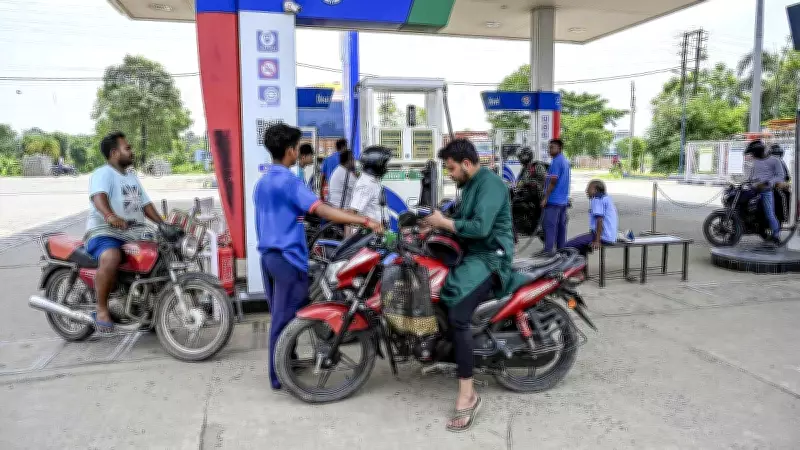
Petrol and diesel prices were hiked by 90 paise per litre on Wednesday, May 19, marking the second increase in fuel prices in just five days. This follows a significant hike of Rs 3 per litre that was implemented on May 15. The latest revision has pushed petrol prices to new highs across the country.
Current Fuel Prices in Major Cities
In the national capital, Delhi, petrol is now retailing at Rs 98.64 per litre, while diesel stands at a slightly lower rate. The price of petrol in Bengaluru has crossed the Rs 107 mark, currently selling at Rs 107.12 per litre. Other metropolitan cities have also witnessed similar increases, with Mumbai and Chennai seeing petrol prices hovering around Rs 104 and Rs 101 per litre, respectively.
Reasons Behind the Price Hike
The consecutive hikes are attributed to rising global crude oil prices and the depreciation of the Indian rupee against the US dollar. India imports over 80% of its crude oil requirements, making domestic fuel prices highly sensitive to international market fluctuations. The government has also maintained excise duties at elevated levels, further contributing to the retail price surge.

Impact on Consumers and Economy
The continuous rise in fuel prices is expected to increase transportation costs, which could lead to higher prices for essential commodities and services. This may add to inflationary pressures, affecting household budgets across the country. Industry experts warn that if global crude prices remain high, further hikes cannot be ruled out in the coming weeks.
Consumers are also feeling the pinch as auto fuel prices have been on an upward trend for several months. The cumulative increase in petrol and diesel prices since the beginning of the year has been substantial, with petrol prices rising by over Rs 10 per litre in some cities.
Government Response and Future Outlook
The government has stated that it is monitoring the situation closely but has not announced any immediate measures to reduce excise duties. State-owned oil marketing companies revise fuel prices daily based on the international benchmark and exchange rate movements. Analysts predict that if crude oil prices stabilize, the pace of hikes may slow down, but a significant reduction in retail prices seems unlikely in the near term.
Consumers are advised to plan their fuel purchases accordingly and consider fuel-efficient alternatives where possible. The government continues to encourage the adoption of electric vehicles and public transportation to reduce dependence on fossil fuels.