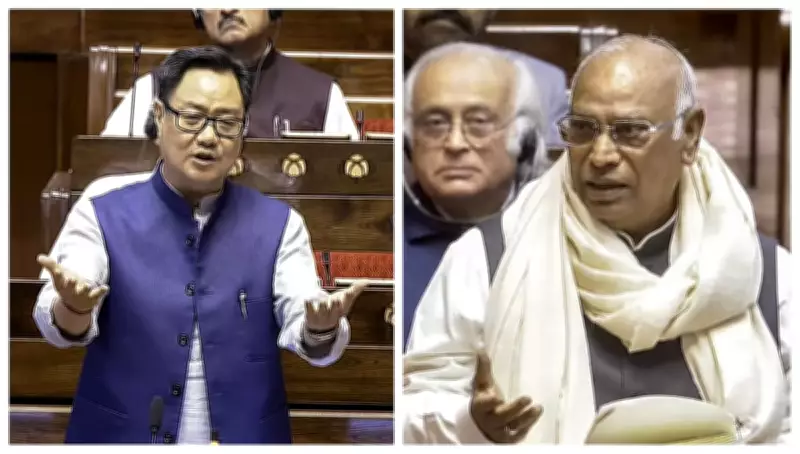
Parliament to Reconvene in Three Weeks to Pass Women's Reservation Bill
In a significant development in Indian politics, Law Minister Kiren Rijiju announced in the Rajya Sabha that Parliament will reconvene in three weeks specifically to pass the long-pending women's reservation bill. This move aims to allocate 33% of seats for women in the Lok Sabha and state legislative assemblies, marking a potential milestone for gender representation in Indian governance.
Government's Announcement and Opposition's Response
Rijiju's statement, made on April 2, 2026, has sparked immediate reactions across the political spectrum. He emphasized the government's commitment to advancing the bill, which has been a topic of debate for decades. However, the announcement was met with skepticism from the opposition.
Congress leader Mallikarjun Kharge raised concerns about the government's haste, questioning the timing and motives behind the sudden push. "The government's urgency on this matter raises serious questions," Kharge stated, suggesting that the move might be politically driven rather than a genuine effort toward women's empowerment.

Background and Implications of the Women's Reservation Bill
The women's reservation bill, first introduced in 1996, seeks to reserve one-third of all seats for women in Parliament and state legislatures. Its passage could transform India's political landscape by increasing female participation in decision-making processes. Key points include:
- Historical Context: The bill has faced numerous hurdles over the years, including lack of consensus among political parties.
- Current Push: Rijiju's announcement indicates a renewed effort by the government to prioritize gender equality in politics.
- Opposition Concerns: Kharge and other critics argue that the bill's sudden advancement lacks transparency and proper deliberation.
This development comes amid ongoing discussions about women's rights and representation in India, with stakeholders closely watching the parliamentary proceedings. The reconvening of Parliament in three weeks will be a critical moment for the bill's fate, potentially setting a precedent for future legislative actions on social issues.