Opposition Unity Poses Threat to Women's Reservation Bill Passage
NEW DELHI: A unified front among the four largest opposition parties could potentially derail the government's ambitious plan to reconvene Parliament on April 16. The special session aims to secure legislative approval for implementing women's reservation starting in 2029, but opposition coordination presents a significant hurdle.
Cross-Party Support and Political Calculations
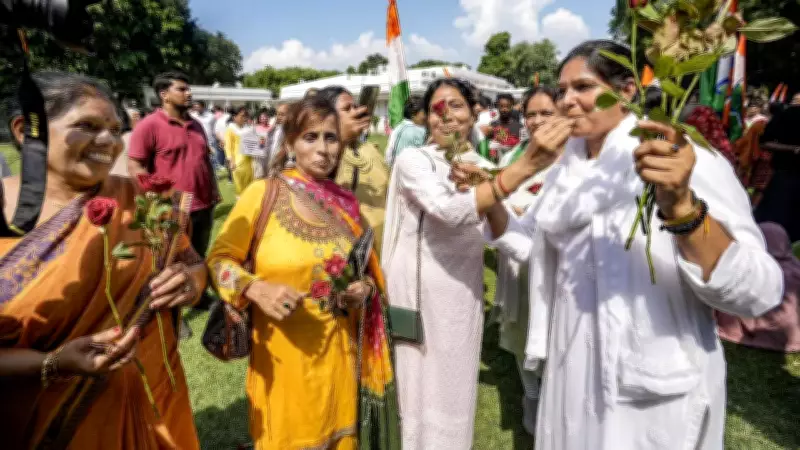
Despite the opposition challenge, the NDA government remains confident about passing the legislation. This confidence stems from the nearly unanimous support for the original women's reservation law in 2023, coupled with the growing political importance of women as a decisive voting bloc across party lines.
Major opposition parties including the Congress, Trinamool Congress (TMC), and Left parties have maintained distance from government outreach efforts. They have raised questions about the timing and motives behind pushing the women's quota bill during the three-day special session beginning April 16. While expressing concerns about the perceived "hurry," these parties have carefully avoided direct criticism of the reservation proposal itself.

Political Context and Opposition Dilemma
A senior government official, when questioned about the opposition's stance, responded with confidence: "Let them oppose it." This statement reflects the government's strategic calculation that rival parties would risk significant political backlash by openly opposing women's reservation, given its popularity among voters.
The timing of the parliamentary session carries substantial political weight. Scheduled just one week before crucial Bengal elections—where BJP aims to end TMC's 15-year rule—and ahead of Tamil Nadu polls, the move places opposition parties in a difficult position. Their options appear limited despite their reservations about the government's approach.
Historical Context and Previous Opposition
When the original legislation, the Nari Shakti Vandan Adhiniyam, was passed in 2023, opposition was minimal. Only two AIMIM members opposed it in the Lok Sabha, with no opposition recorded in the Rajya Sabha. However, key opposition leaders had criticized the government for not establishing a fixed implementation timeline, as the rollout was linked to delimitation following the ongoing Census.
Congress president Mallikarjun Kharge had previously dismissed the proposal as a "jumla" (empty promise), suggesting implementation might not occur before the 2034 elections. Regional parties with strong OBC political bases, such as Samajwadi Party (SP) and Rashtriya Janata Dal (RJD), have historically opposed women's reservation over concerns it might disproportionately benefit upper-caste women. These parties had demanded sub-quotas for backward classes within the reserved seats, though they ultimately did not oppose the 2023 bill.
Long Legislative History
The women's reservation bill has a complex legislative history spanning nearly three decades. First introduced by the H.D. Deve Gowda-led government in 1996, subsequent efforts continued under the Vajpayee administration and later the UPA government. During previous parliamentary debates, MPs associated with Mandal politics—including RJD's Surendra Yadav in 1998 and Rajniti Prasad in 2010—had dramatically torn copies of the bill inside Parliament chambers.
The government is expected to introduce at least two bills, including constitutional amendments, requiring opposition support for passage. The coming weeks will test whether opposition unity can overcome the political pressure to support women's reservation, or whether the government's confidence in broad-based support will prove justified.