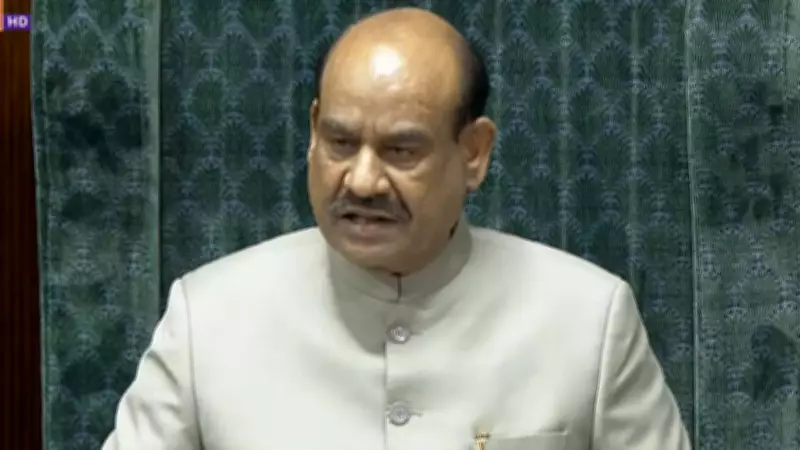
Opposition Coalition Gears Up for No-Confidence Motion Against Lok Sabha Speaker Om Birla
In a significant development in India's political landscape, opposition parties are reportedly planning to introduce a no-confidence motion against Lok Sabha Speaker Om Birla. According to sources familiar with the matter, this move is being coordinated by a coalition of opposition groups who have expressed growing dissatisfaction with the conduct of parliamentary proceedings under Birla's leadership.
Background and Rationale Behind the Motion
The decision to pursue a no-confidence motion stems from multiple sessions where opposition members have alleged partiality in the Speaker's rulings. Sources indicate that concerns have been mounting over procedural fairness, with accusations that Birla has shown bias towards the ruling party during debates and question hours. This has reportedly led to frustration among opposition MPs, who claim their voices are being systematically suppressed in the lower house of Parliament.
The motion, if formally tabled, would require the support of at least 50 members of the Lok Sabha to be admitted for discussion. While the exact timing remains uncertain, insiders suggest that opposition leaders are currently in the process of consolidating support and finalizing the language of the motion to ensure it addresses all their grievances comprehensively.

Political Implications and Strategic Calculations
This potential no-confidence motion represents a bold strategic maneuver by the opposition, aiming to highlight what they perceive as democratic erosion within parliamentary institutions. By targeting the Speaker—a position traditionally expected to remain neutral—the opposition seeks to draw national attention to issues of institutional integrity and the functioning of India's legislative bodies.
Analysts note that such a motion, even if unlikely to succeed given the current numerical strength of the ruling coalition, could serve as a powerful symbolic gesture. It would force a debate on the Speaker's role and potentially set precedents for future parliamentary conduct. The move also reflects the ongoing tensions between the government and opposition, which have frequently disrupted parliamentary sessions in recent years.
Speaker Om Birla's Tenure and Response
Om Birla, a member of the Bharatiya Janata Party (BJP), was elected as the 17th Speaker of the Lok Sabha in June 2019. His tenure has been marked by several contentious episodes, including rulings that have sparked protests from opposition benches. While the Speaker's office has not officially commented on the rumors of a no-confidence motion, sources close to Birla maintain that he has always adhered to constitutional norms and parliamentary rules without favoritism.
The ruling party has consistently defended Birla's impartiality, arguing that opposition complaints are politically motivated attempts to undermine parliamentary decorum. However, the prospect of a no-confidence motion indicates that these assurances have failed to placate the opposition, setting the stage for a potentially dramatic confrontation in the Lok Sabha.
Next Steps and Parliamentary Procedure
If the opposition proceeds with the motion, it will follow a specific parliamentary procedure:
- Submission of the motion in writing to the Secretary-General of the Lok Sabha.
- Verification of support from the required number of MPs.
- Allocation of time for debate, subject to the Speaker's scheduling.
- A vote, if the motion is admitted, which would determine whether Birla retains the confidence of the house.
Given the numerical dynamics, where the ruling National Democratic Alliance (NDA) holds a clear majority, the motion is expected to be defeated. Nevertheless, the debate itself could have lasting repercussions on parliamentary traditions and the relationship between the treasury and opposition benches.
As the situation evolves, political observers are closely monitoring developments, noting that this episode could influence broader strategies ahead of future electoral cycles. The opposition's willingness to challenge the Speaker underscores the deepening political divisions and the high stakes involved in India's democratic processes.